Jackson Kruse Etc.
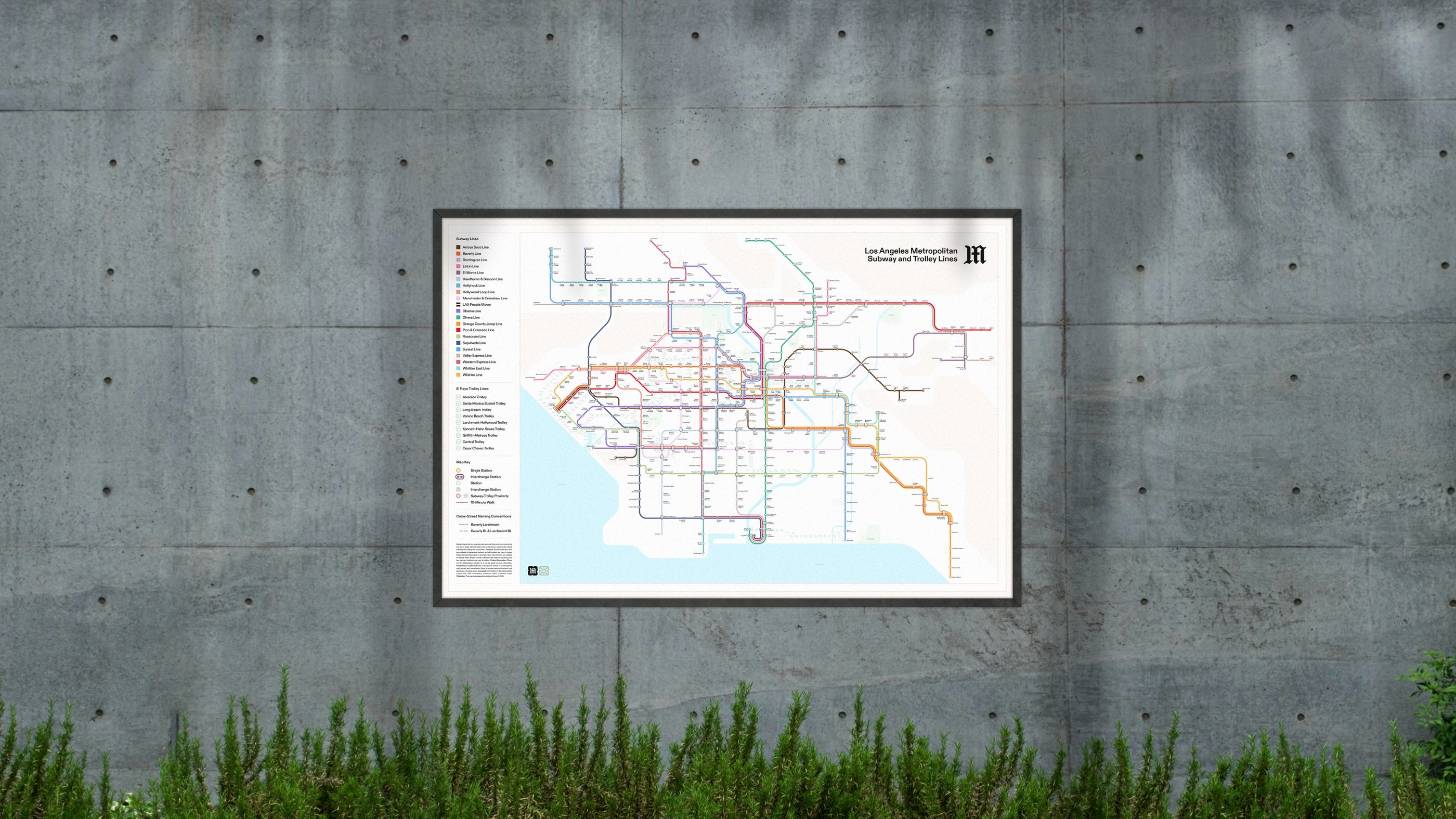
The Los Angeles Metropolitan system map, framed on a concrete wall above a strip of grass.

Los Angeles Metropolitan

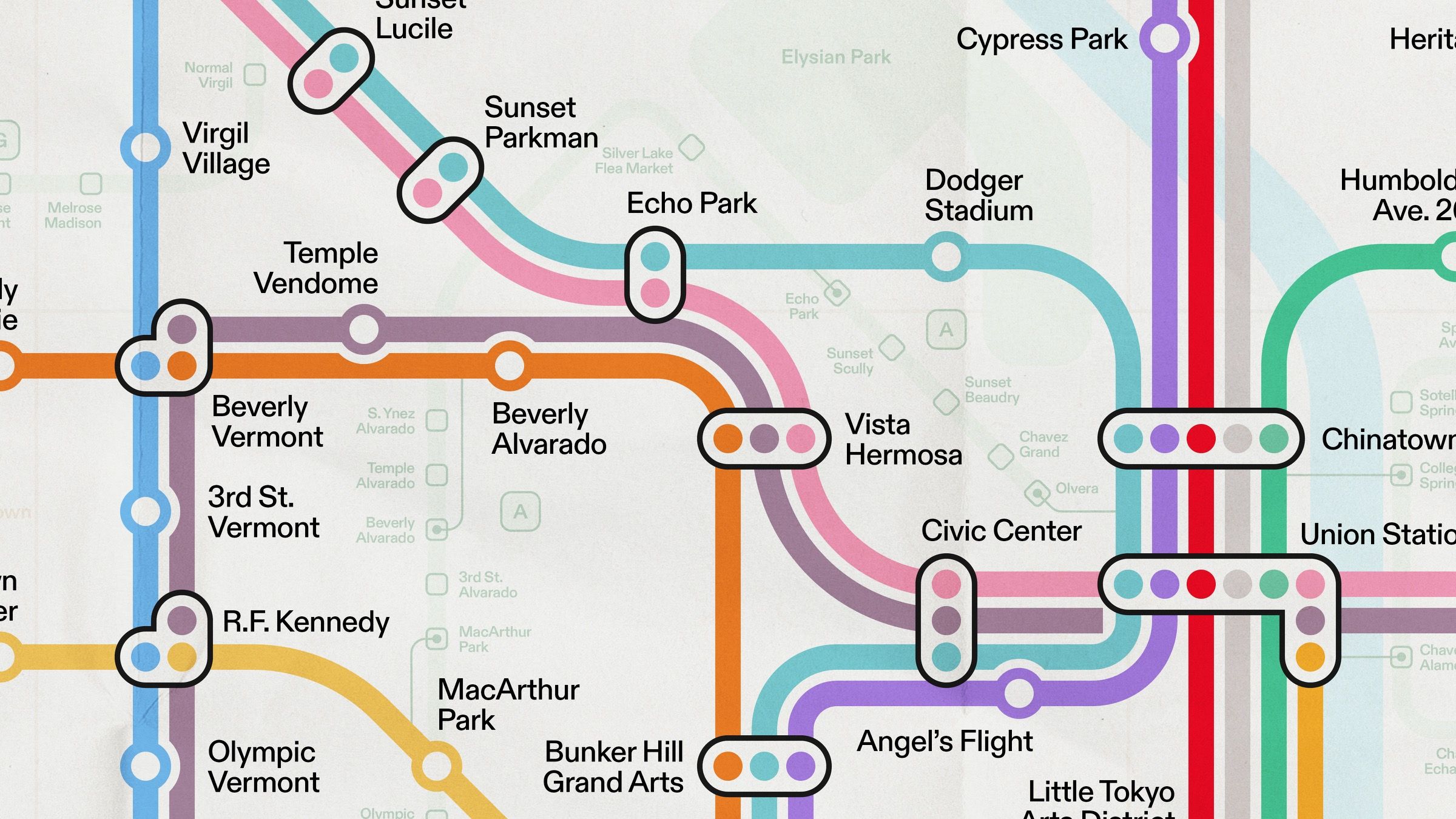
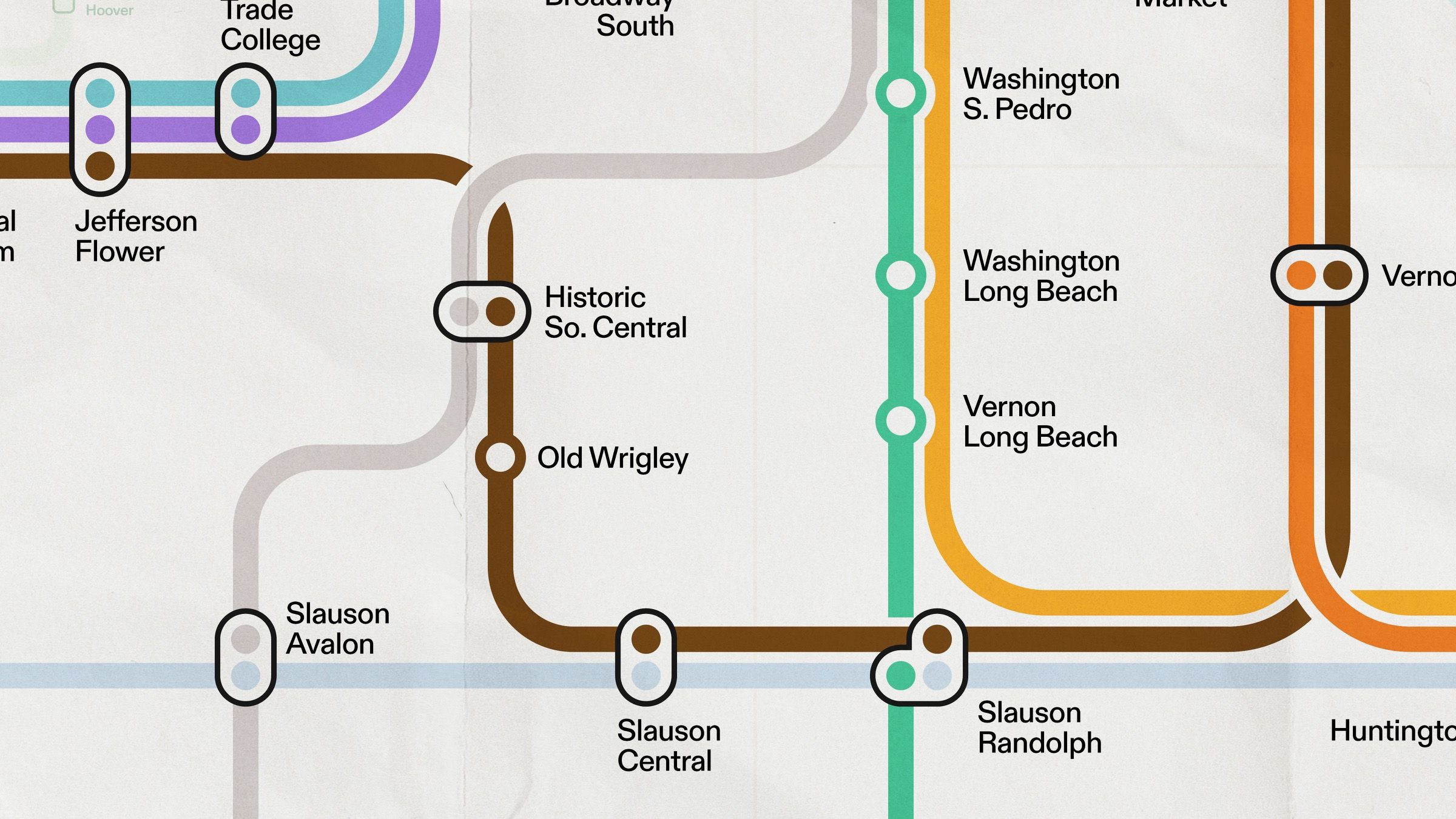
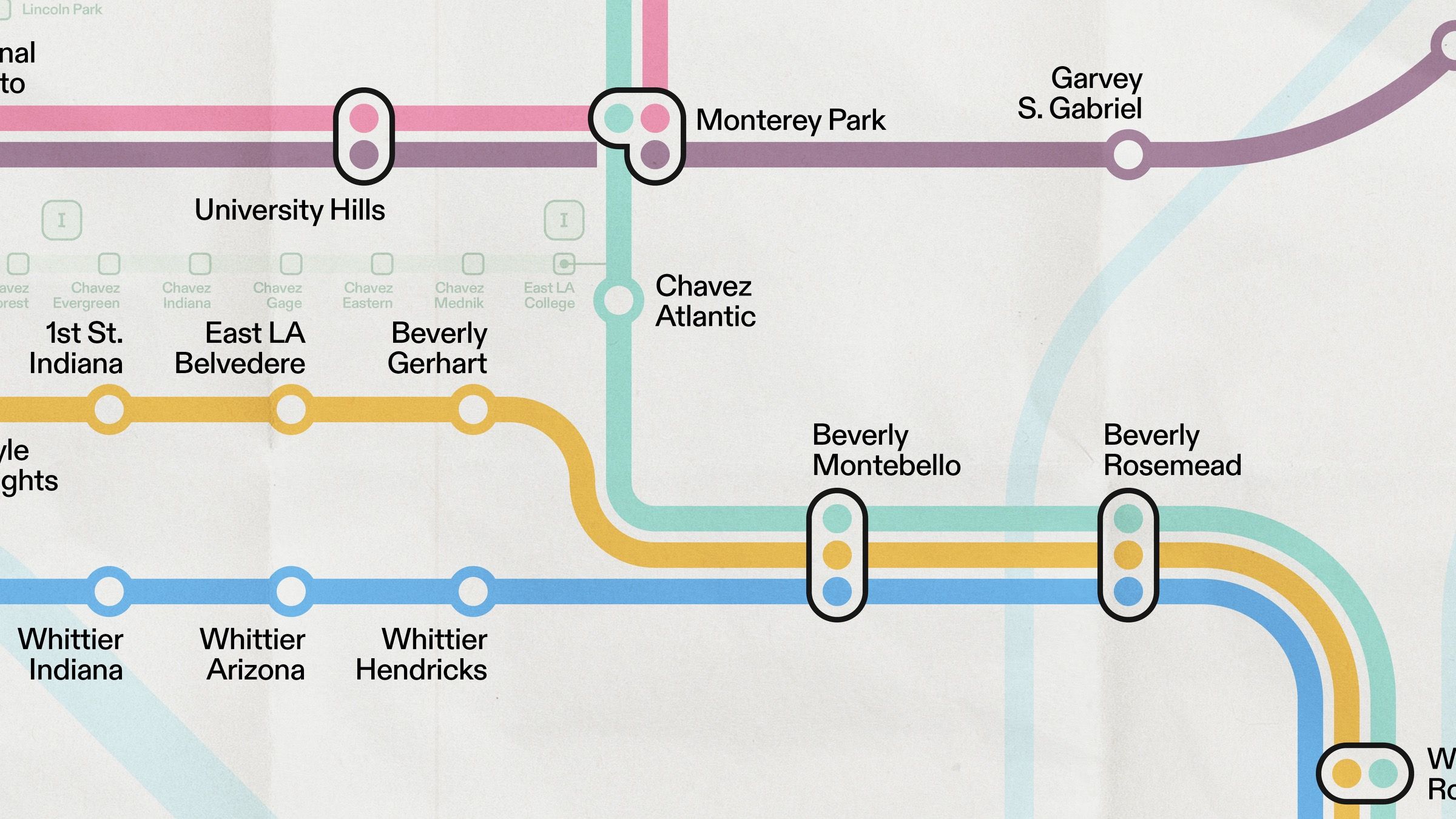
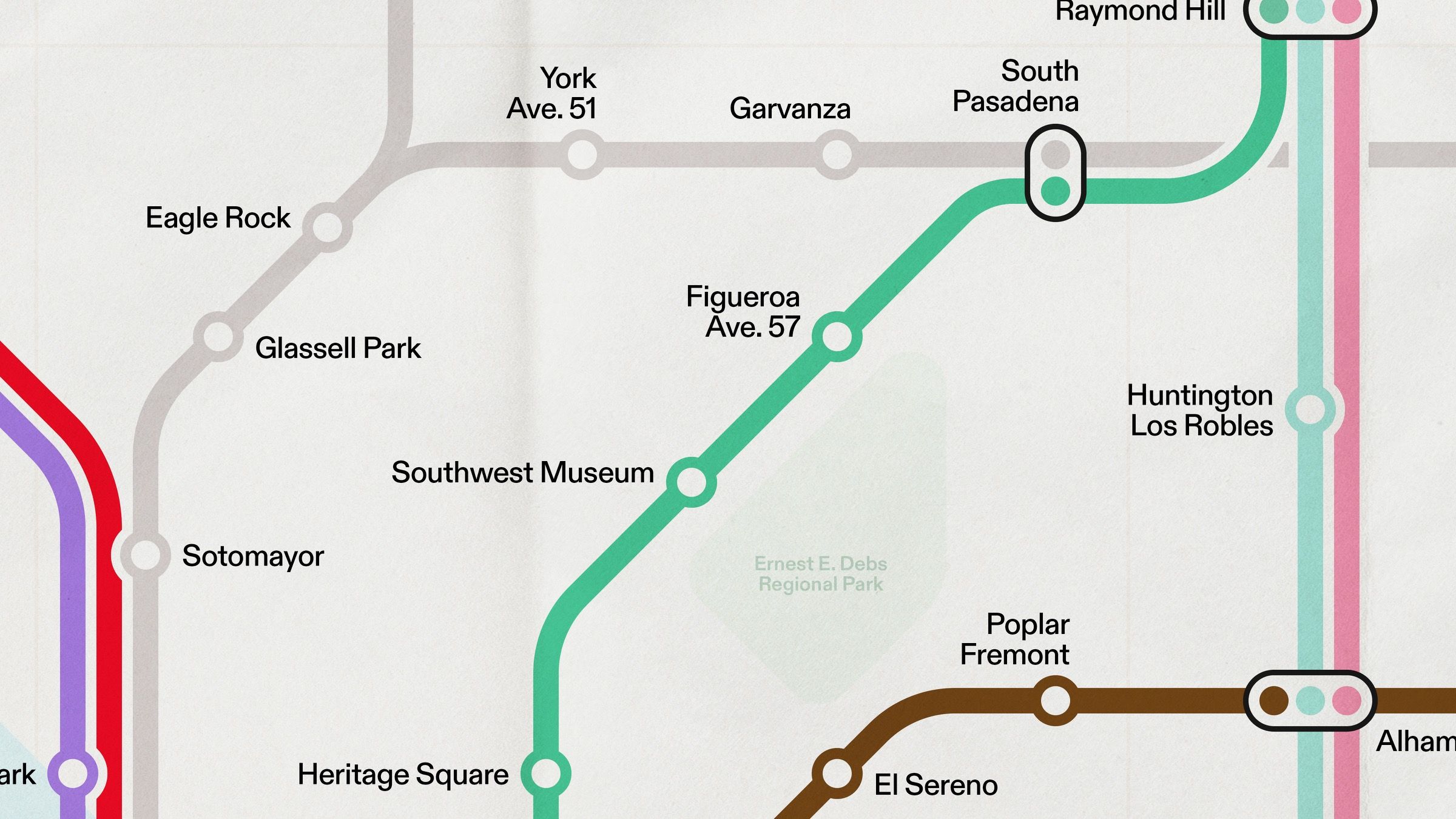
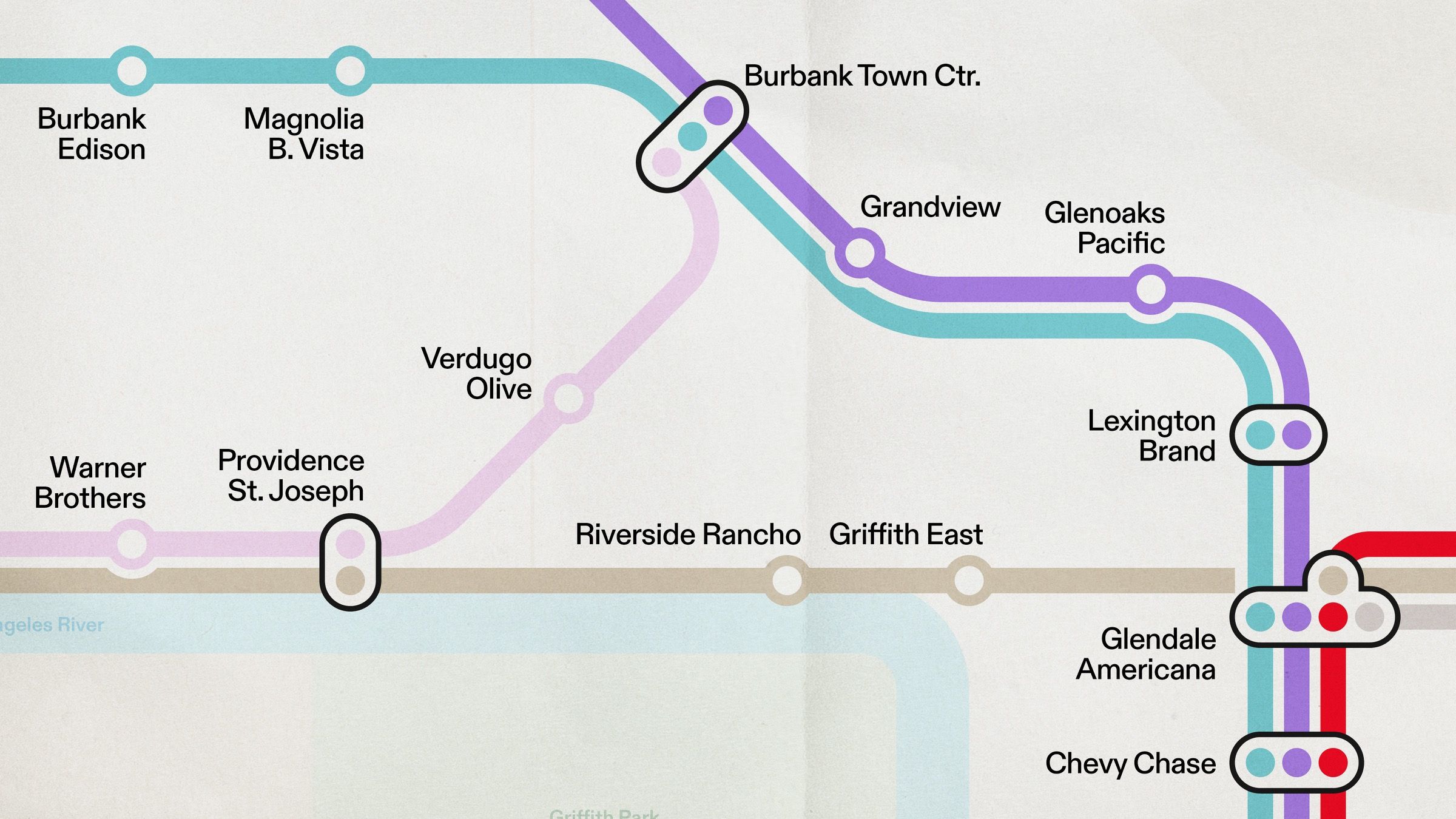
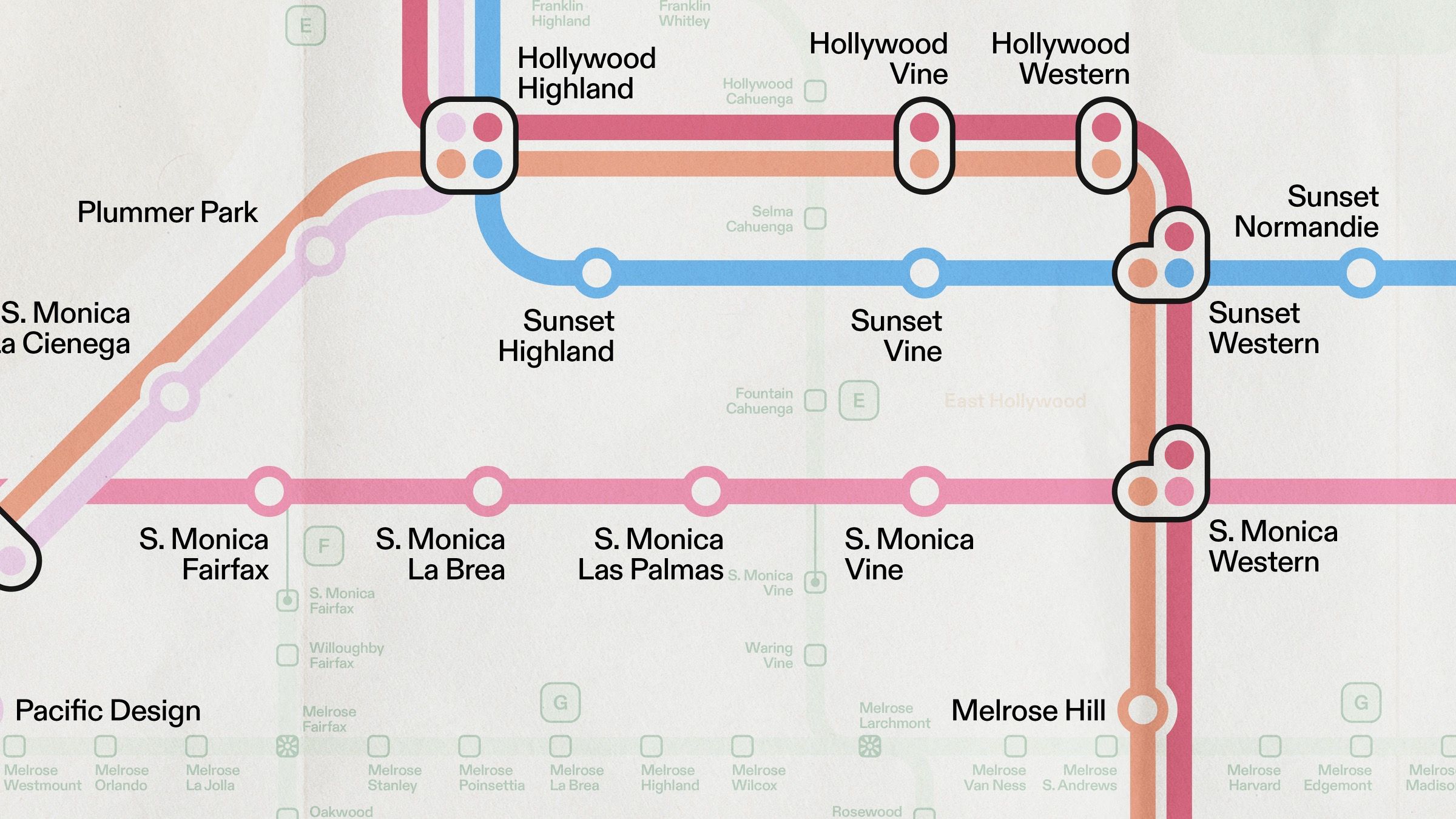
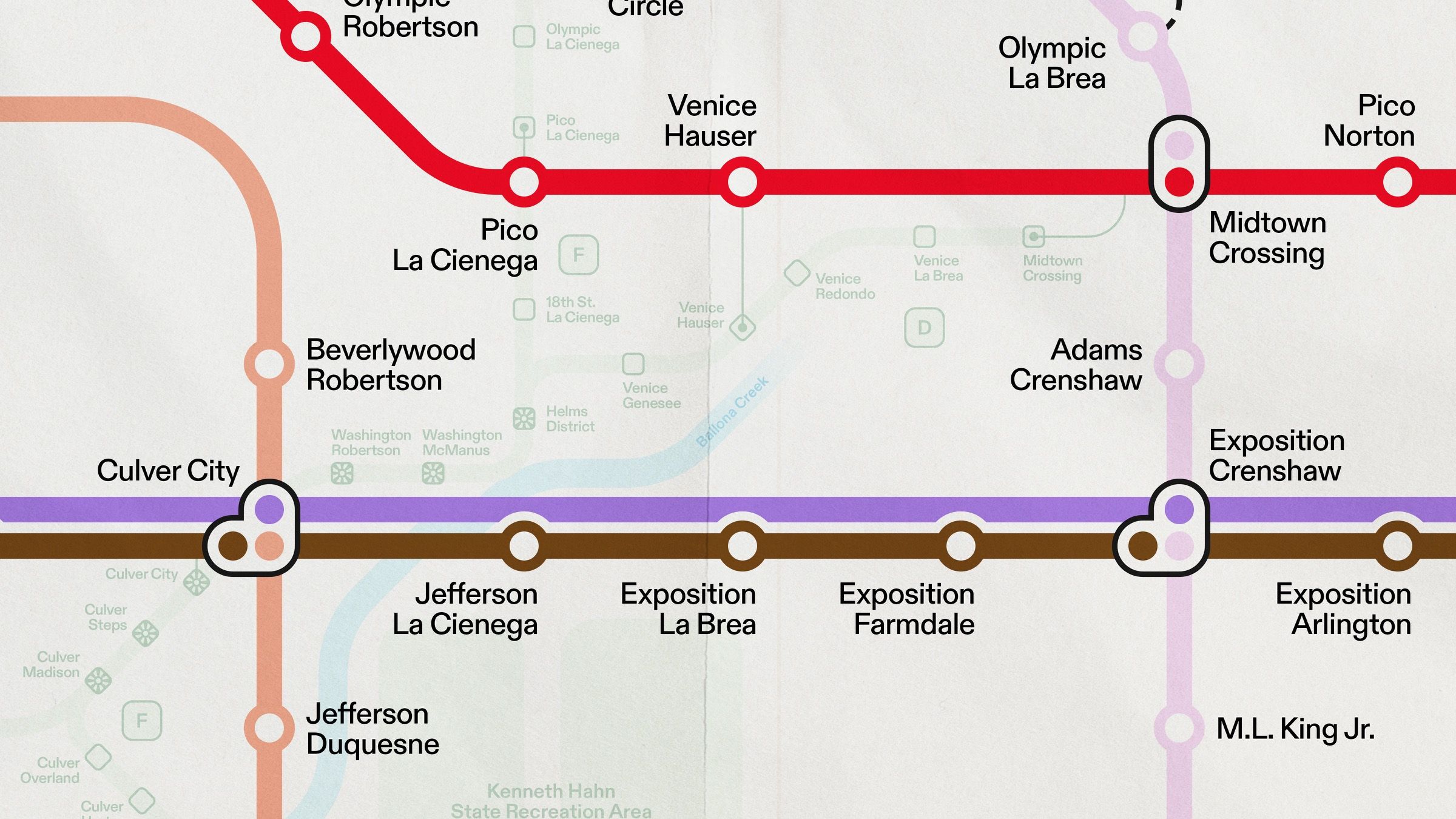
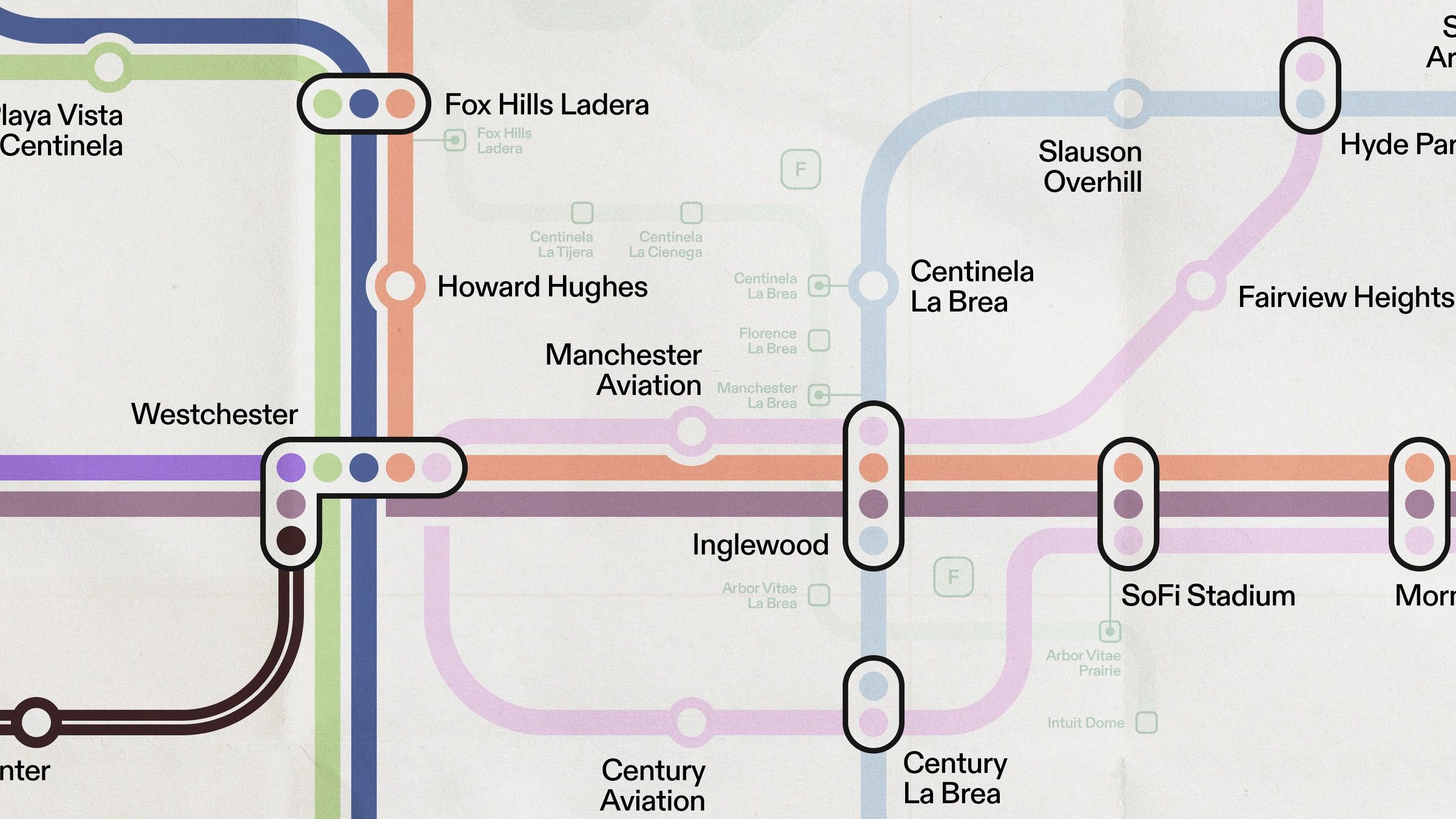
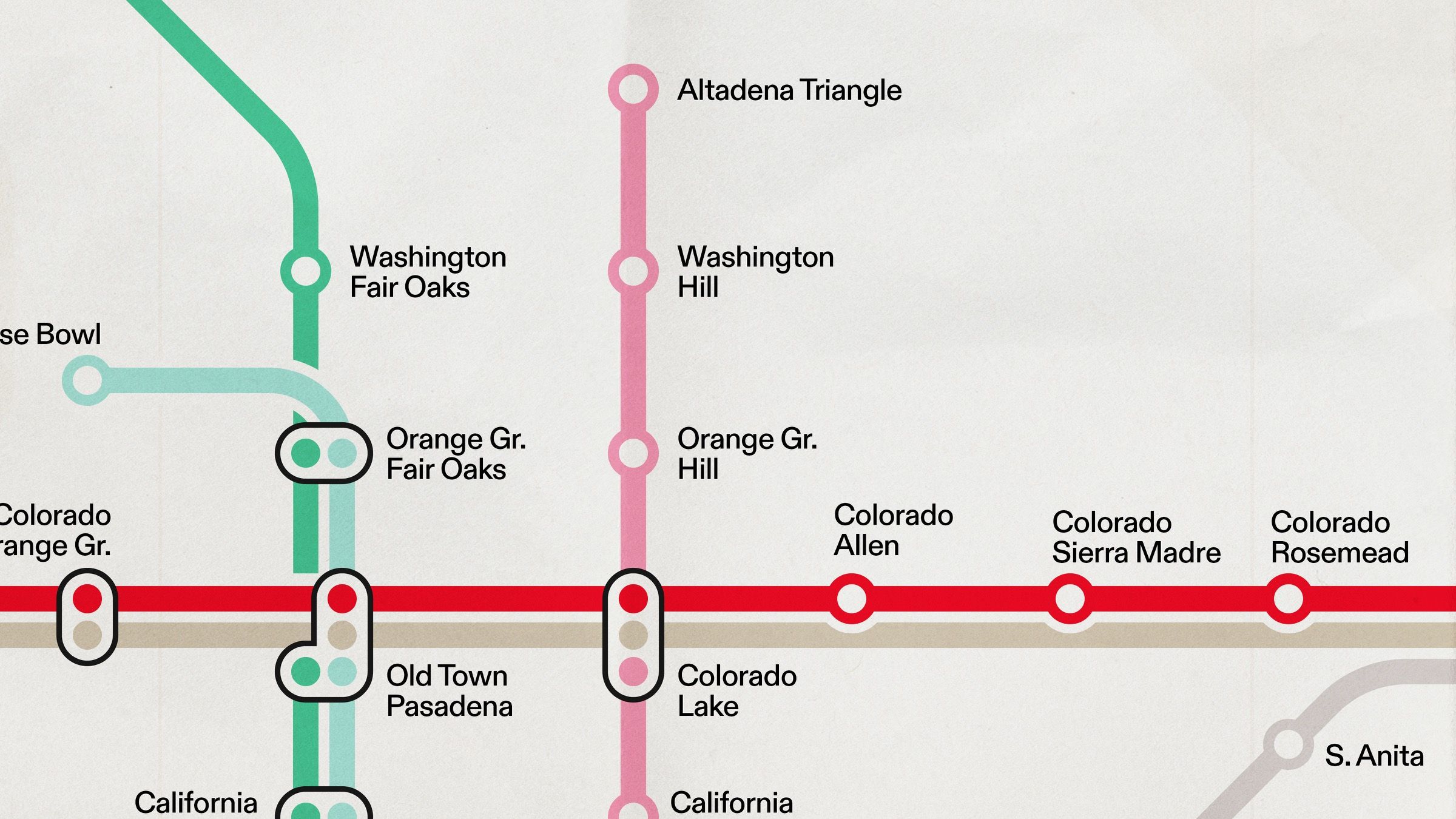
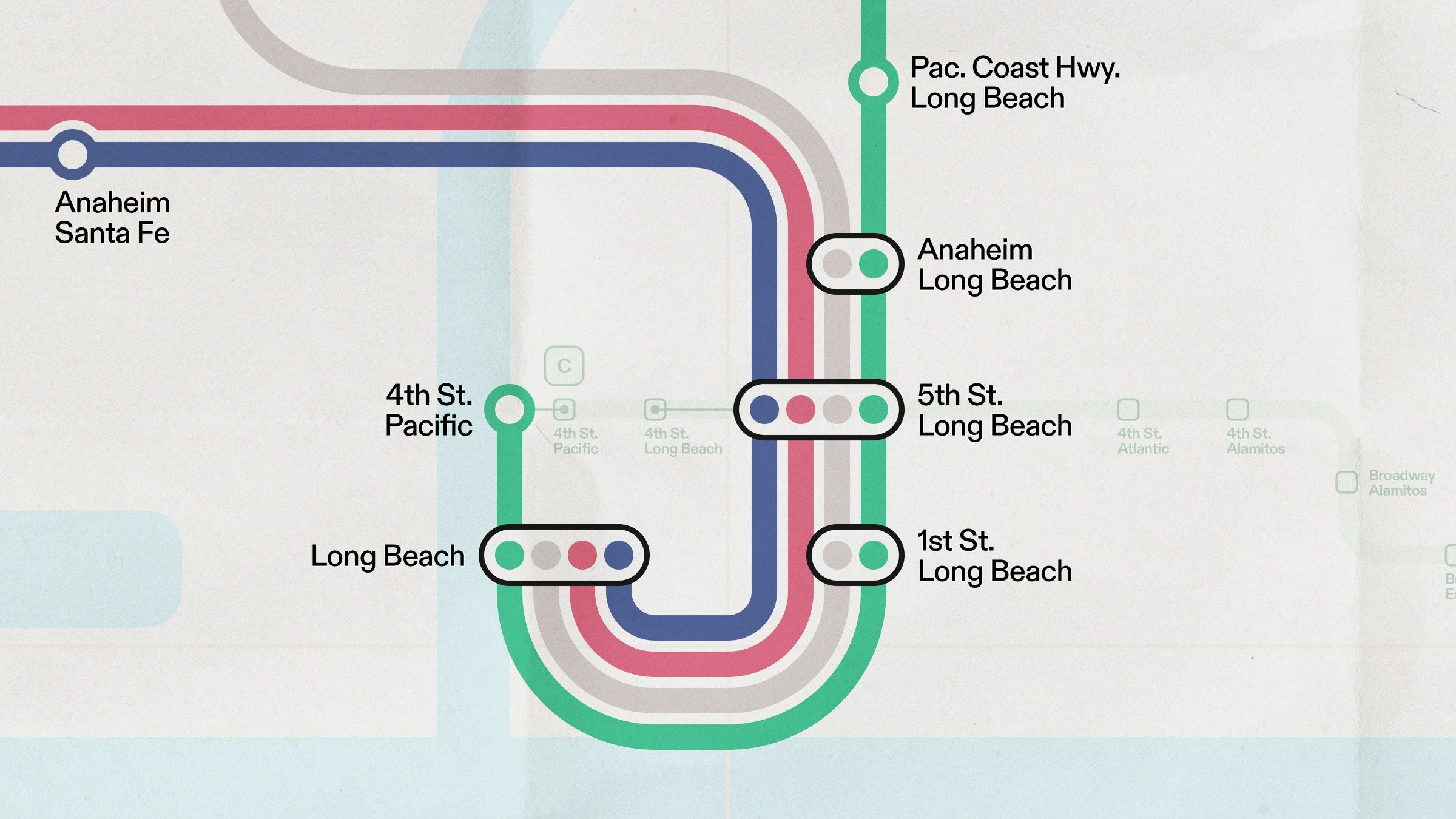
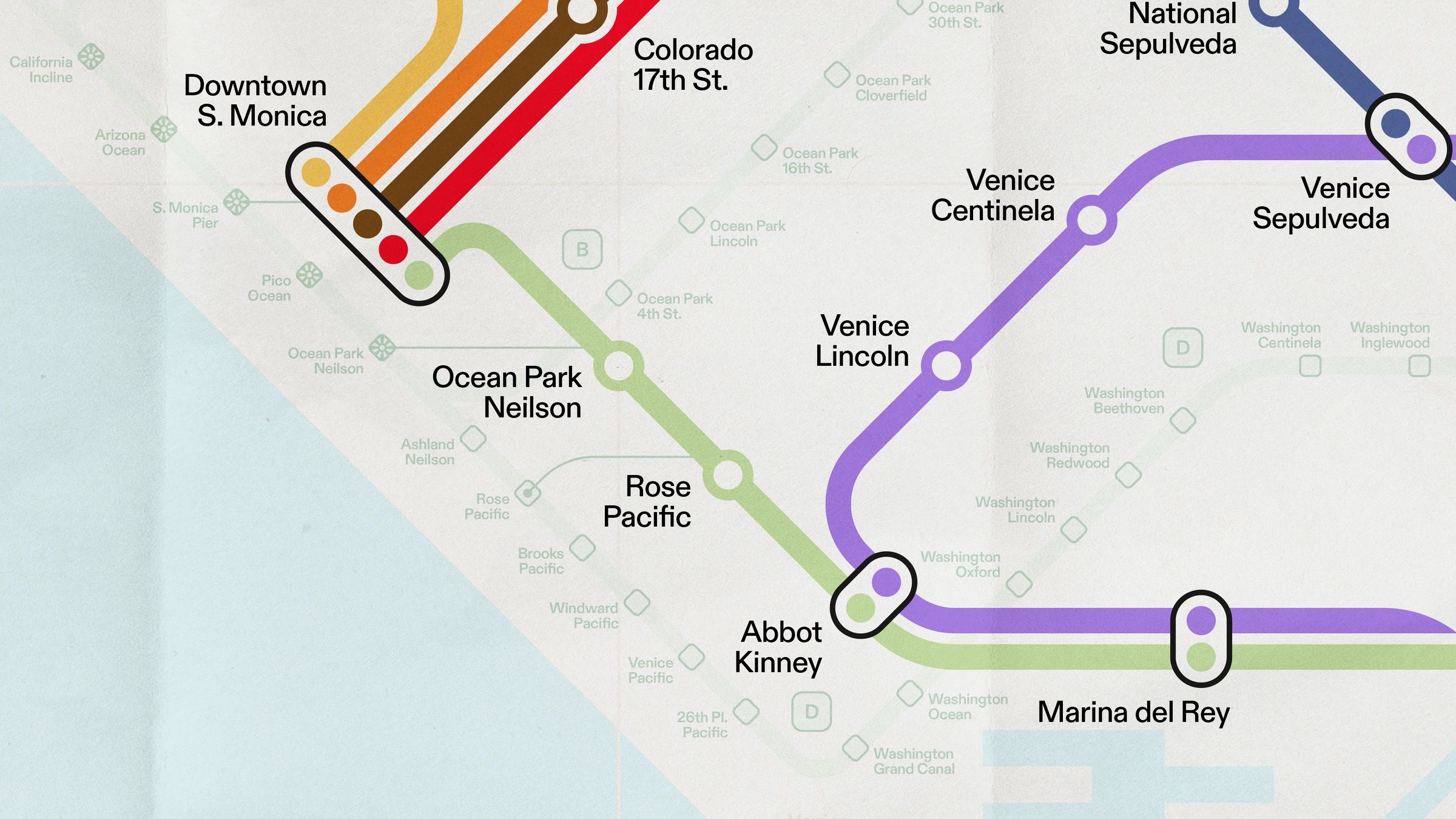
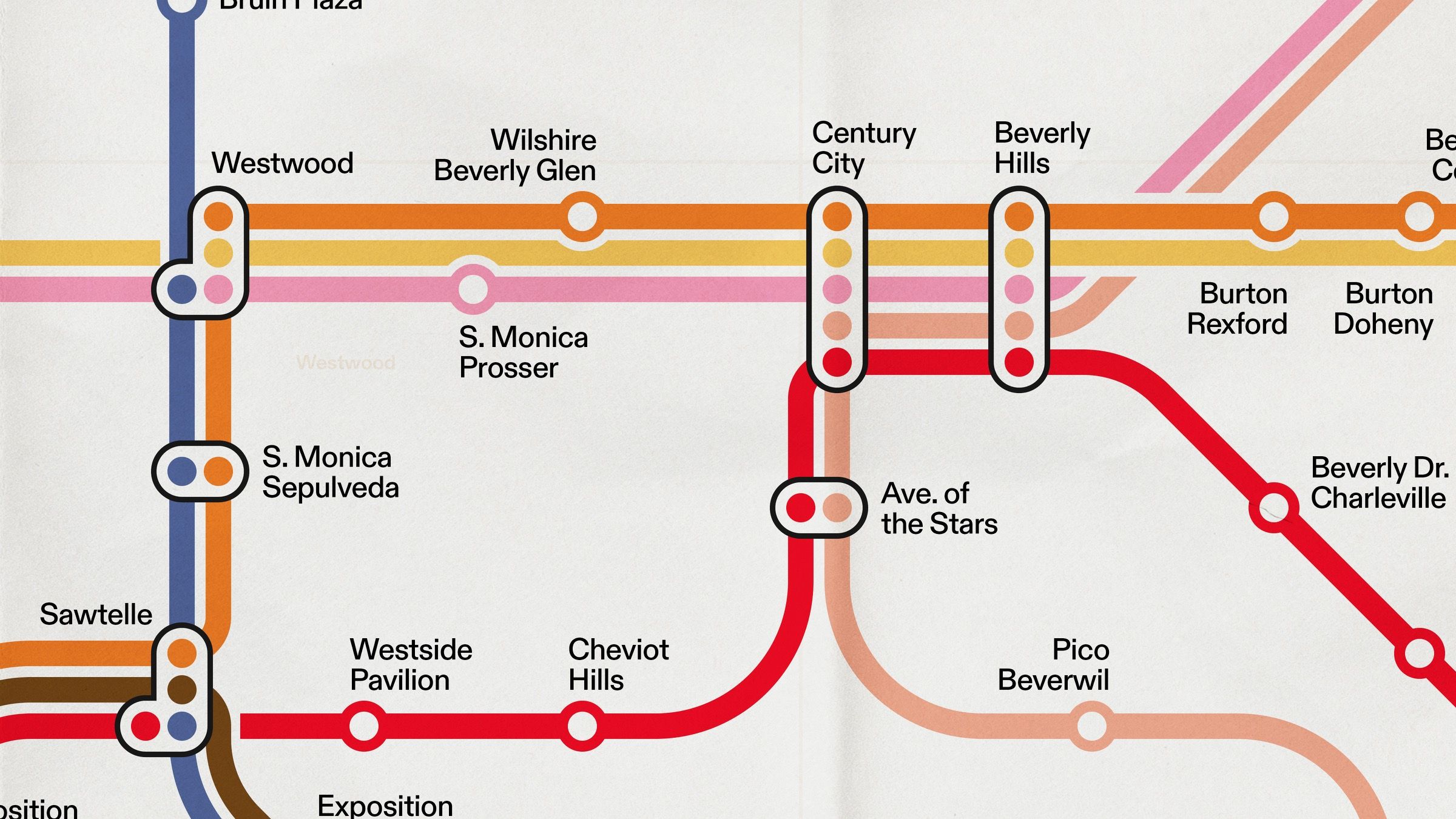
A city that dismantled one of the greatest streetcar networks ever built deserves a second chance. The Los Angeles Metropolitan is a speculative transit project — an imagined expansion of LA's rail system, branded from the map out.

Services

  • Brand Identity
  • Cartography
  • Wayfinding
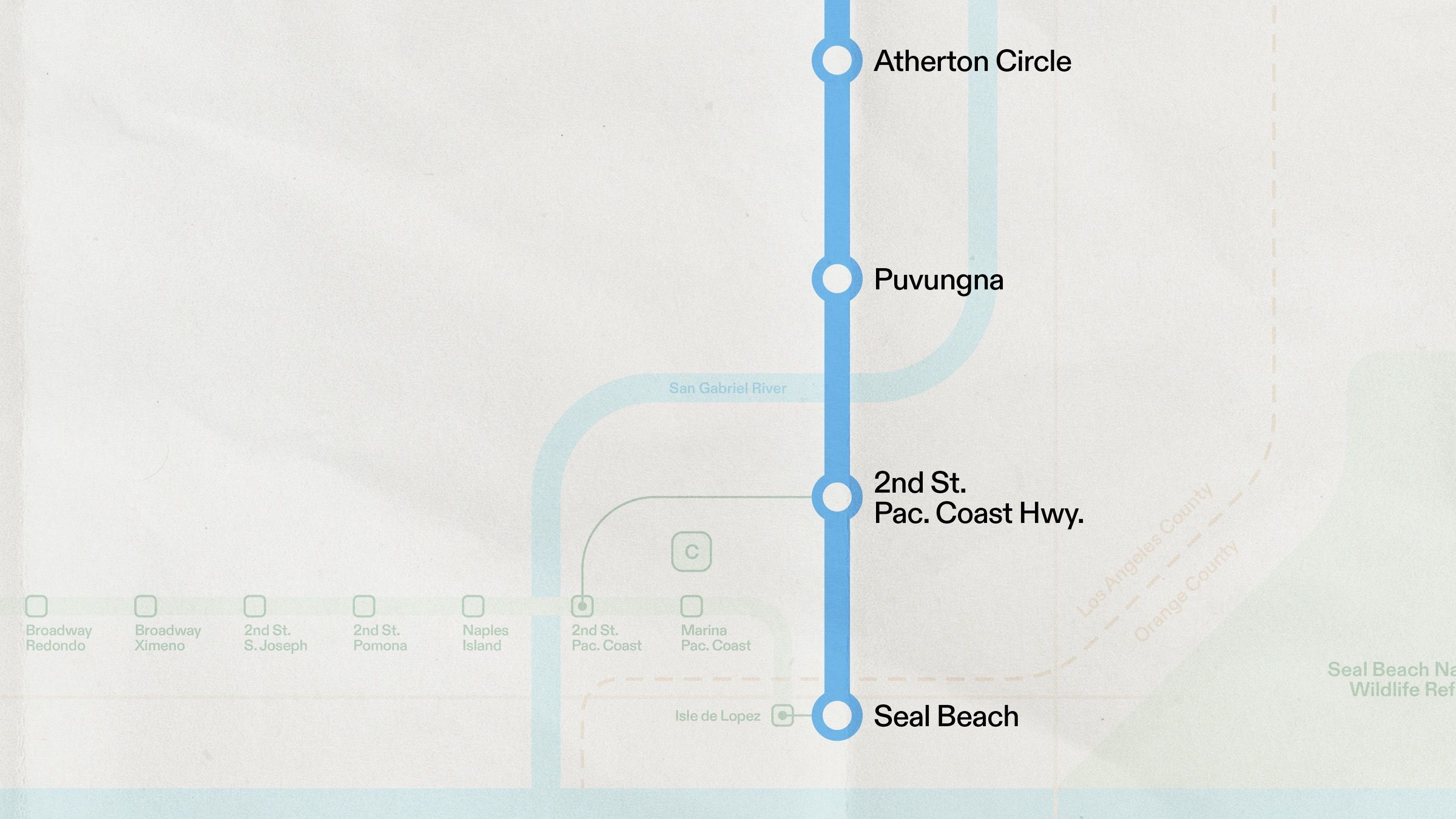
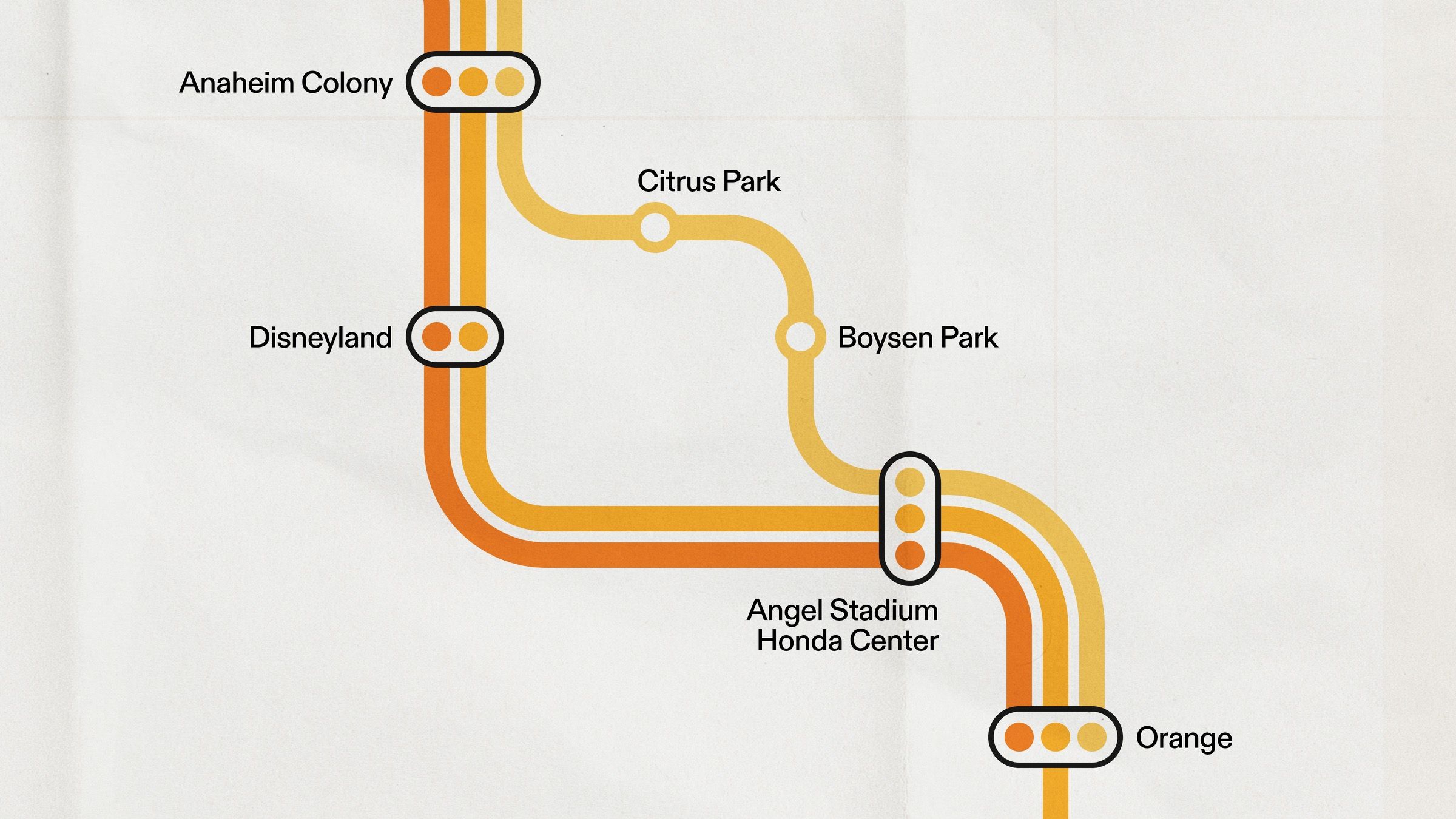
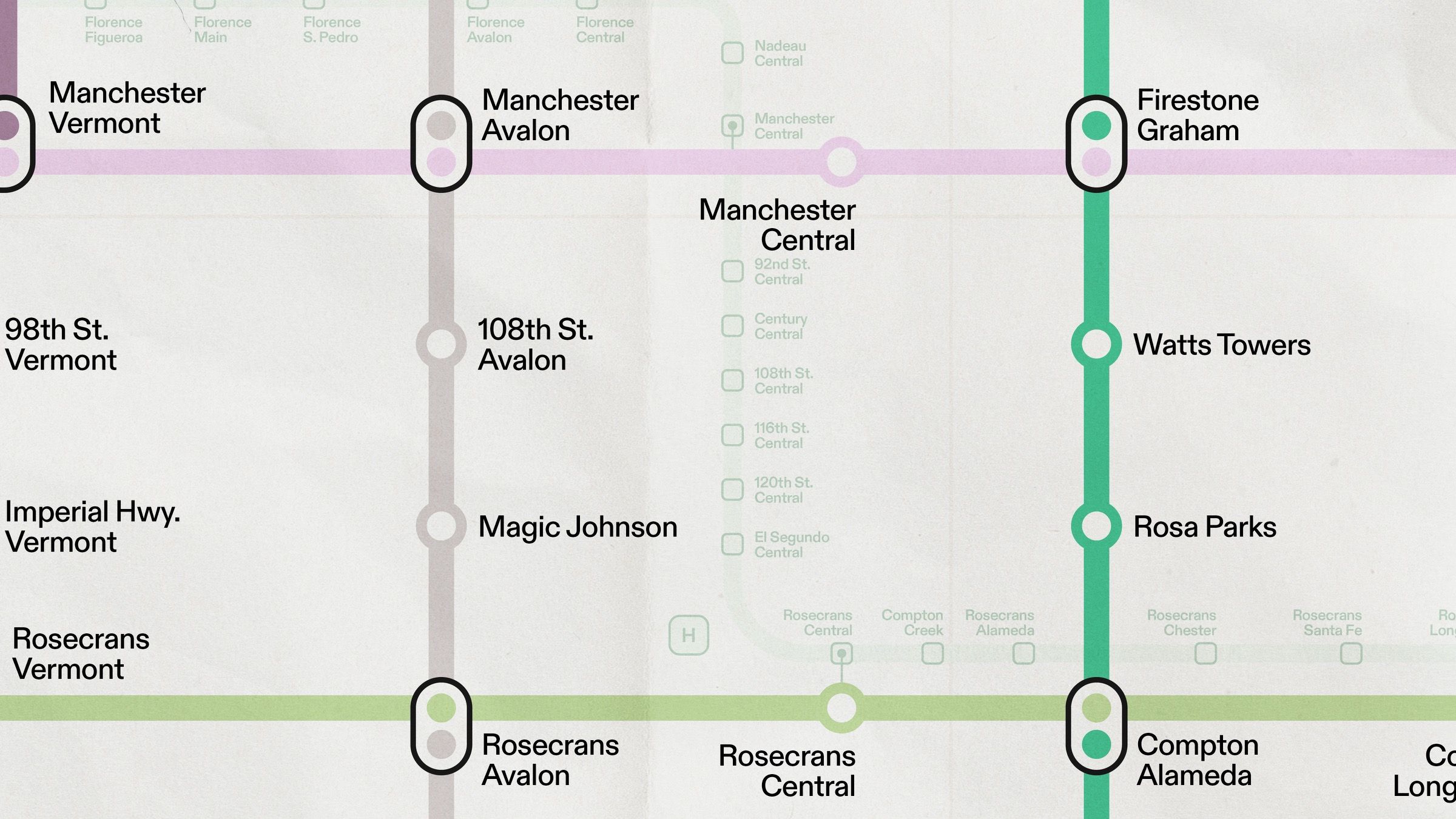
A section of the Los Angeles Metropolitan rail map, 1 of 16. A section of the Los Angeles Metropolitan rail map, 2 of 16. A section of the Los Angeles Metropolitan rail map, 3 of 16. A section of the Los Angeles Metropolitan rail map, 4 of 16. A section of the Los Angeles Metropolitan rail map, 5 of 16. A section of the Los Angeles Metropolitan rail map, 6 of 16. A section of the Los Angeles Metropolitan rail map, 7 of 16. A section of the Los Angeles Metropolitan rail map, 8 of 16. A section of the Los Angeles Metropolitan rail map, 9 of 16. A section of the Los Angeles Metropolitan rail map, 10 of 16. A section of the Los Angeles Metropolitan rail map, 11 of 16. A section of the Los Angeles Metropolitan rail map, 12 of 16. A section of the Los Angeles Metropolitan rail map, 13 of 16. A section of the Los Angeles Metropolitan rail map, 14 of 16. A section of the Los Angeles Metropolitan rail map, 15 of 16. A section of the Los Angeles Metropolitan rail map, 16 of 16.

Methodology

Using logic around existing track and potential track space, population density, and commute patterns (but also a fair amount of invention), this imagined transit system supports 20 heavy rail lines, an airport connection tram, and nine trolley lines.
View Map as a PDF

The blackletter M mark floating over a black-and-white view of the Los Angeles skyline.

True to Los Angeles

The system’s primary logo celebrates the newfound legacy of gothic letterforms in the melting pot of Southern California, at once honoring Los Angeles as a leader in arts and culture and introducing an unexpected graphic style to municipal services.

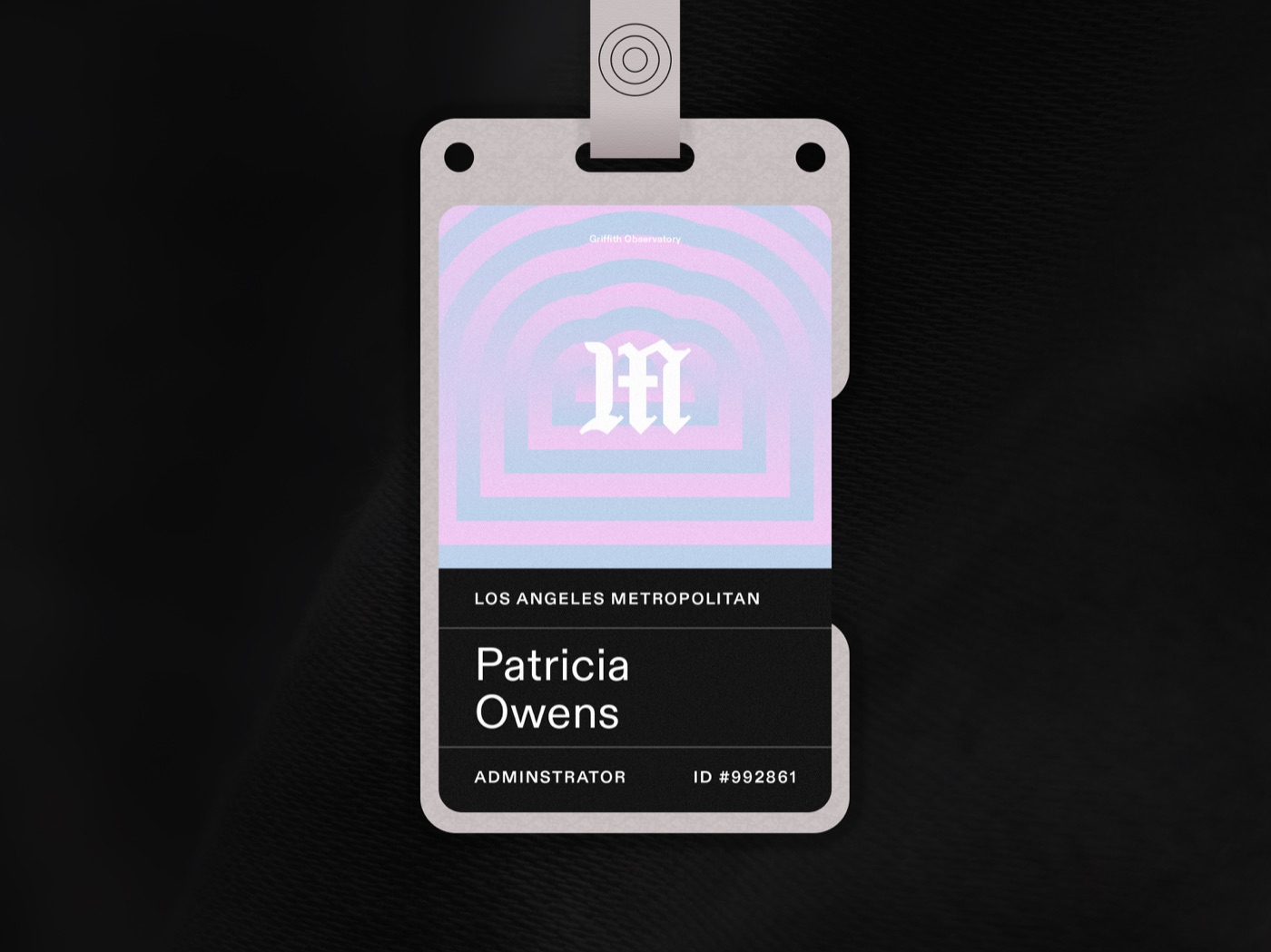
The mark is a blackletter “M” whose halves come from the letters “L” and “A.”

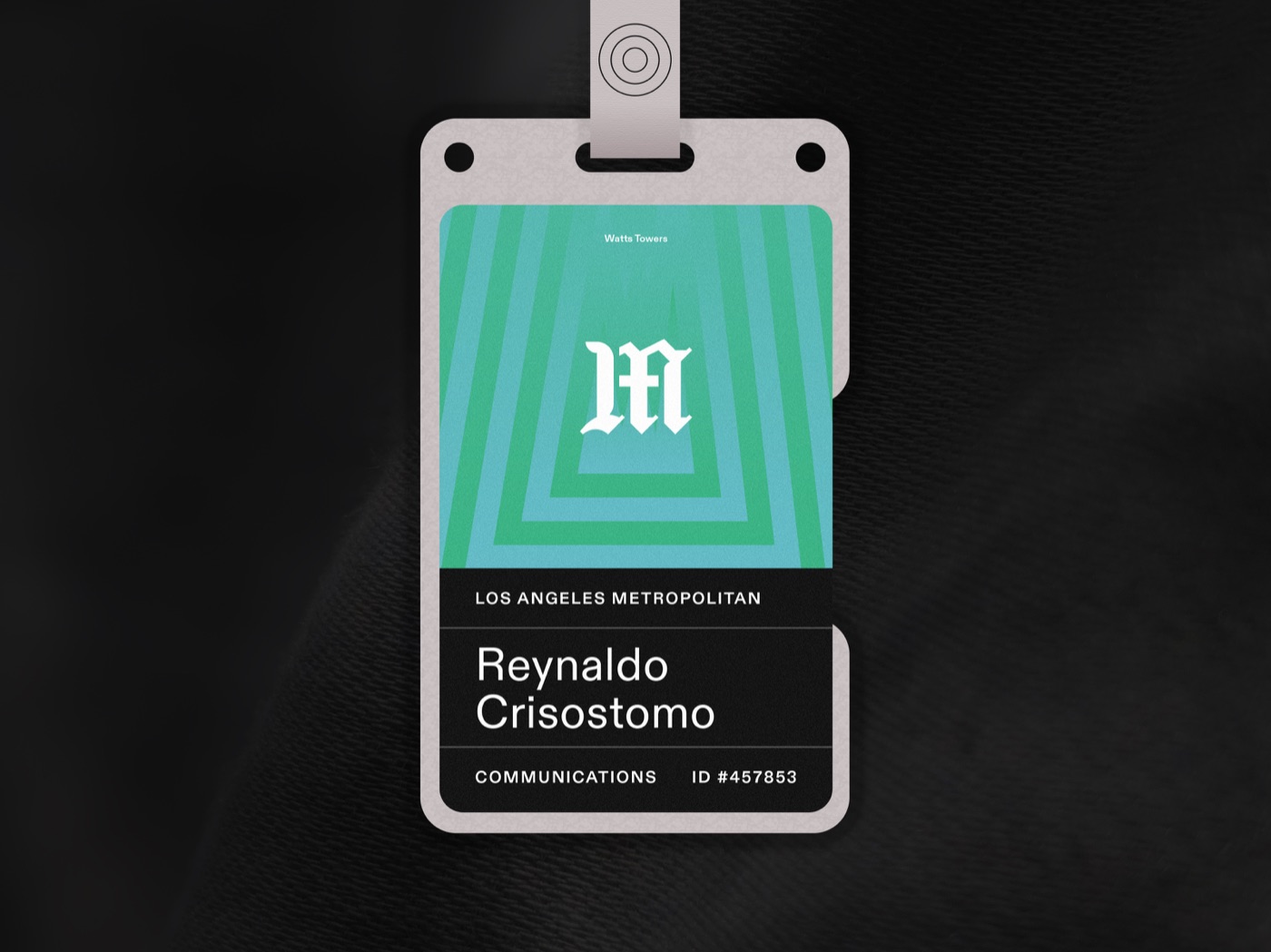
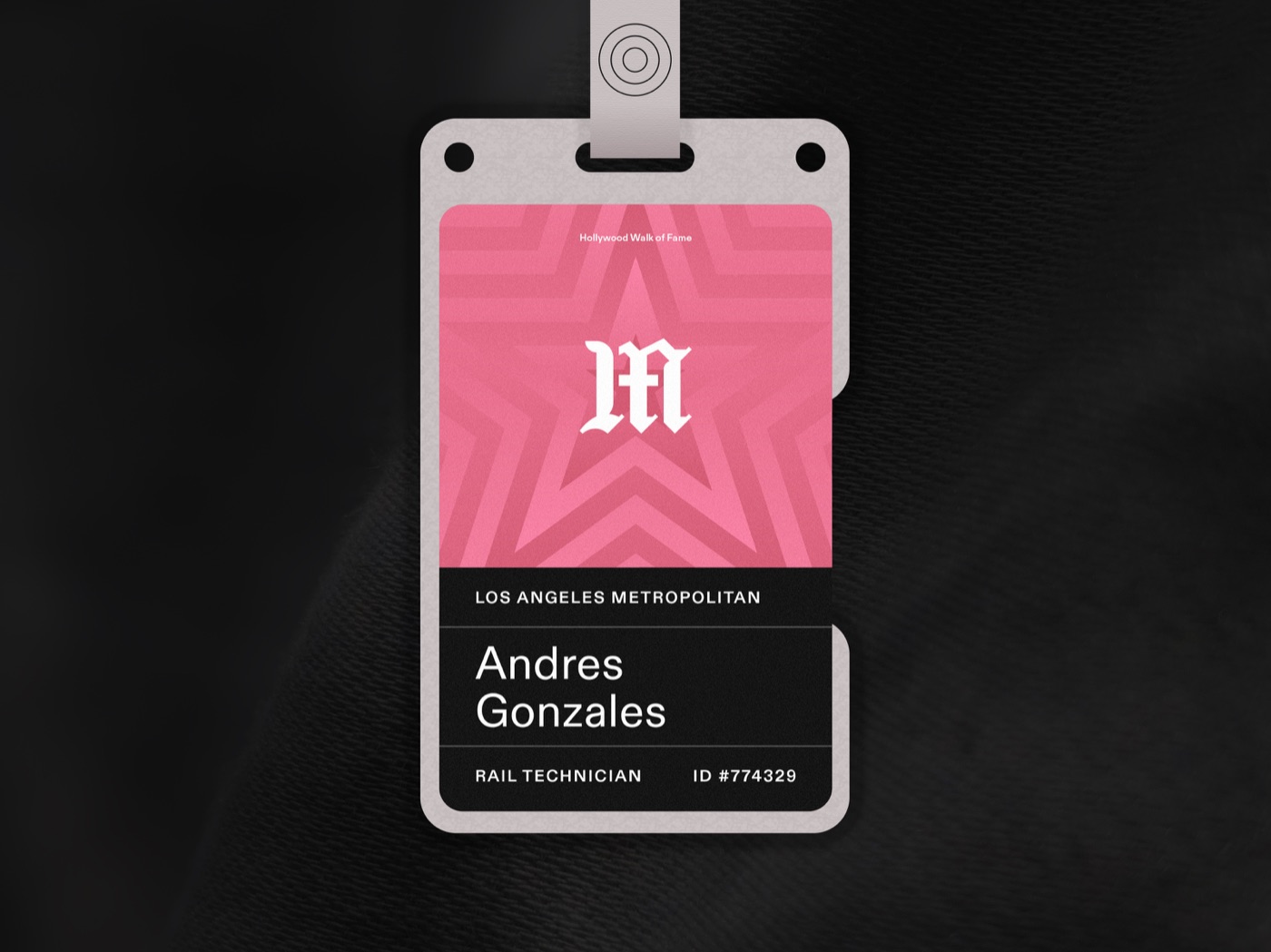
The blackletter M mark being assembled from an L and an A, then shown on staff identity cards, 1 of 7. The blackletter M mark being assembled from an L and an A, then shown on staff identity cards, 2 of 7. The blackletter M mark being assembled from an L and an A, then shown on staff identity cards, 3 of 7. The blackletter M mark being assembled from an L and an A, then shown on staff identity cards, 4 of 7. The blackletter M mark being assembled from an L and an A, then shown on staff identity cards, 5 of 7. The blackletter M mark being assembled from an L and an A, then shown on staff identity cards, 6 of 7. The blackletter M mark being assembled from an L and an A, then shown on staff identity cards, 7 of 7.
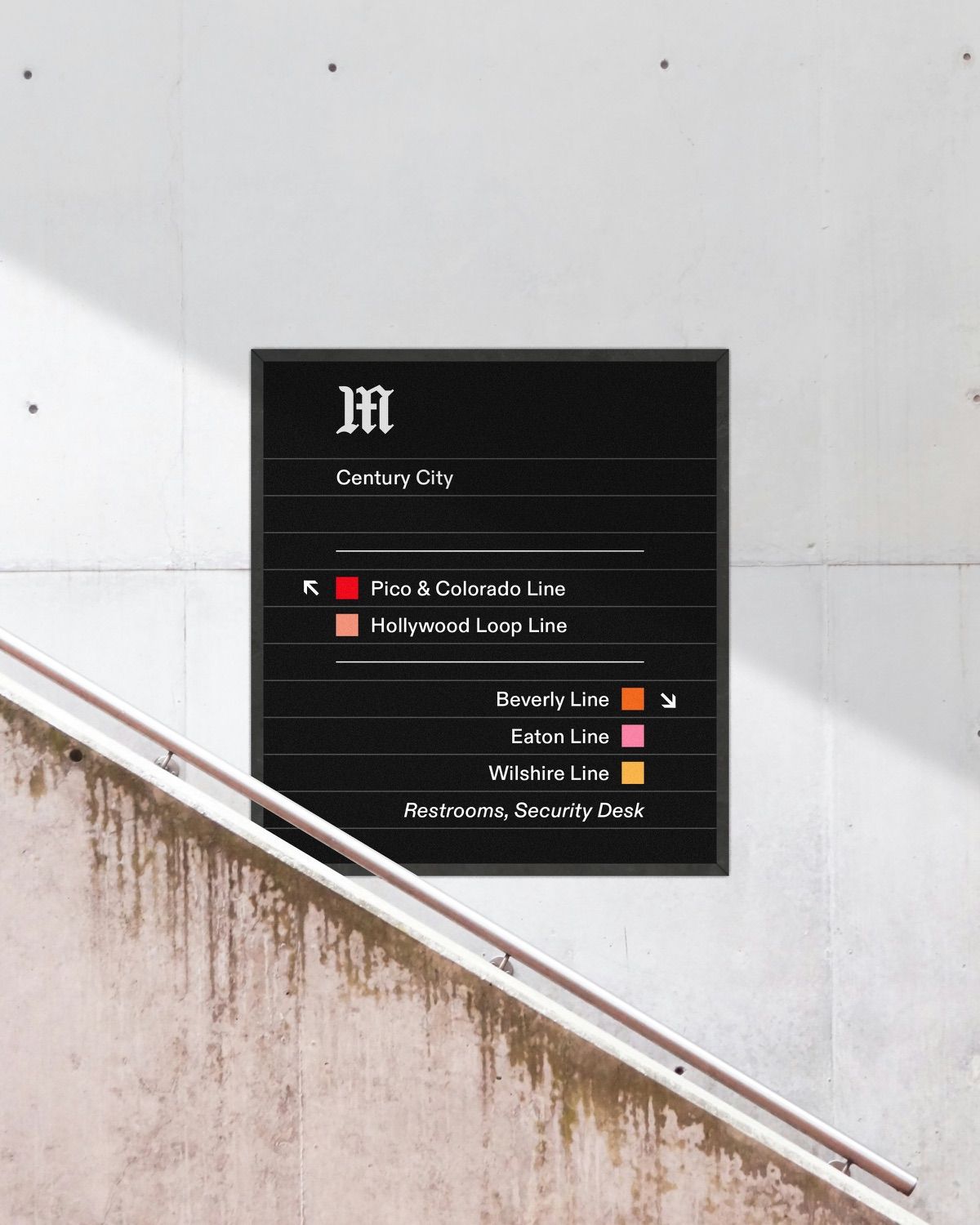
A wall-mounted station sign for Century City beside a concrete stair.
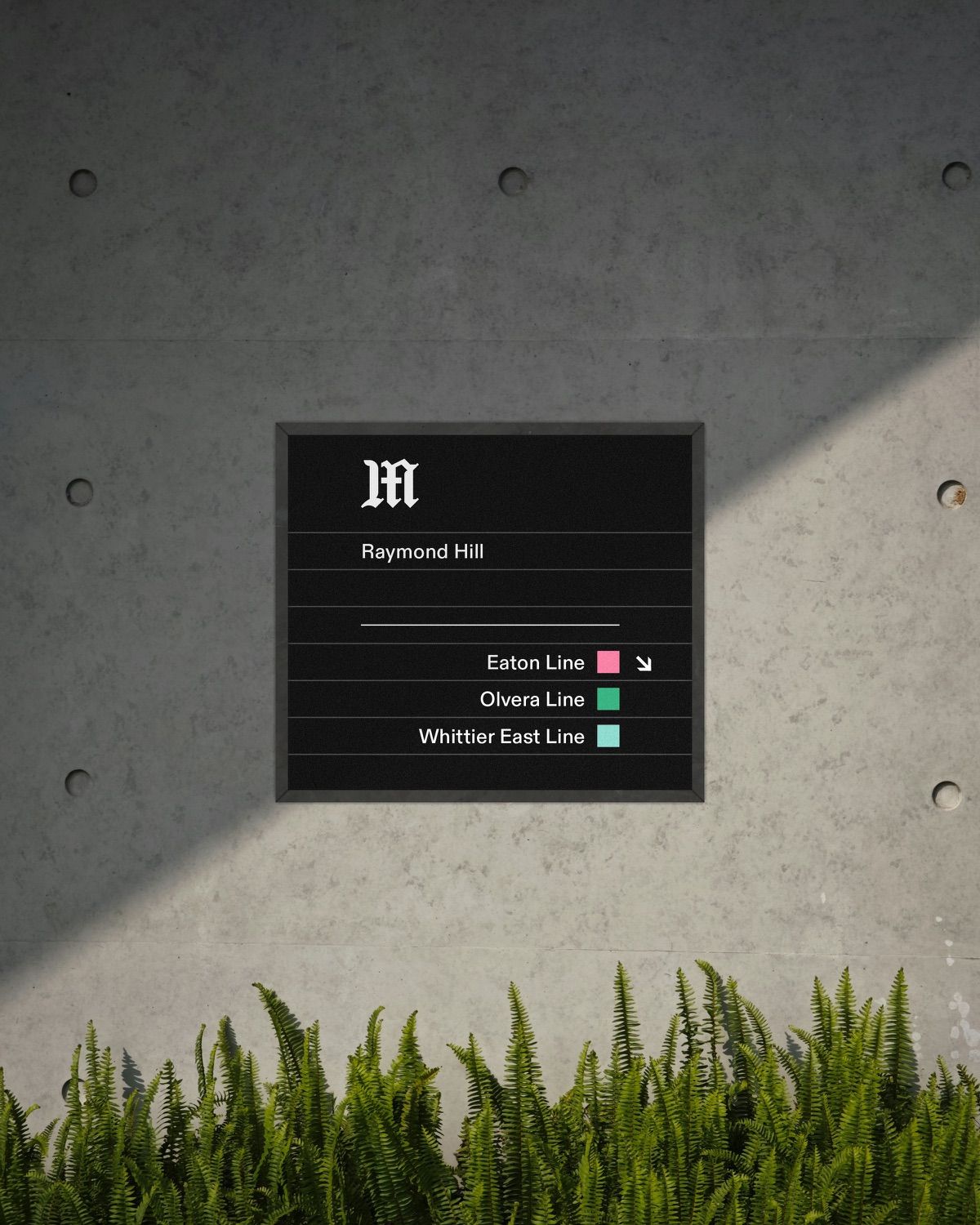
A wall-mounted station sign for Raymond Hill on a concrete wall above grass.
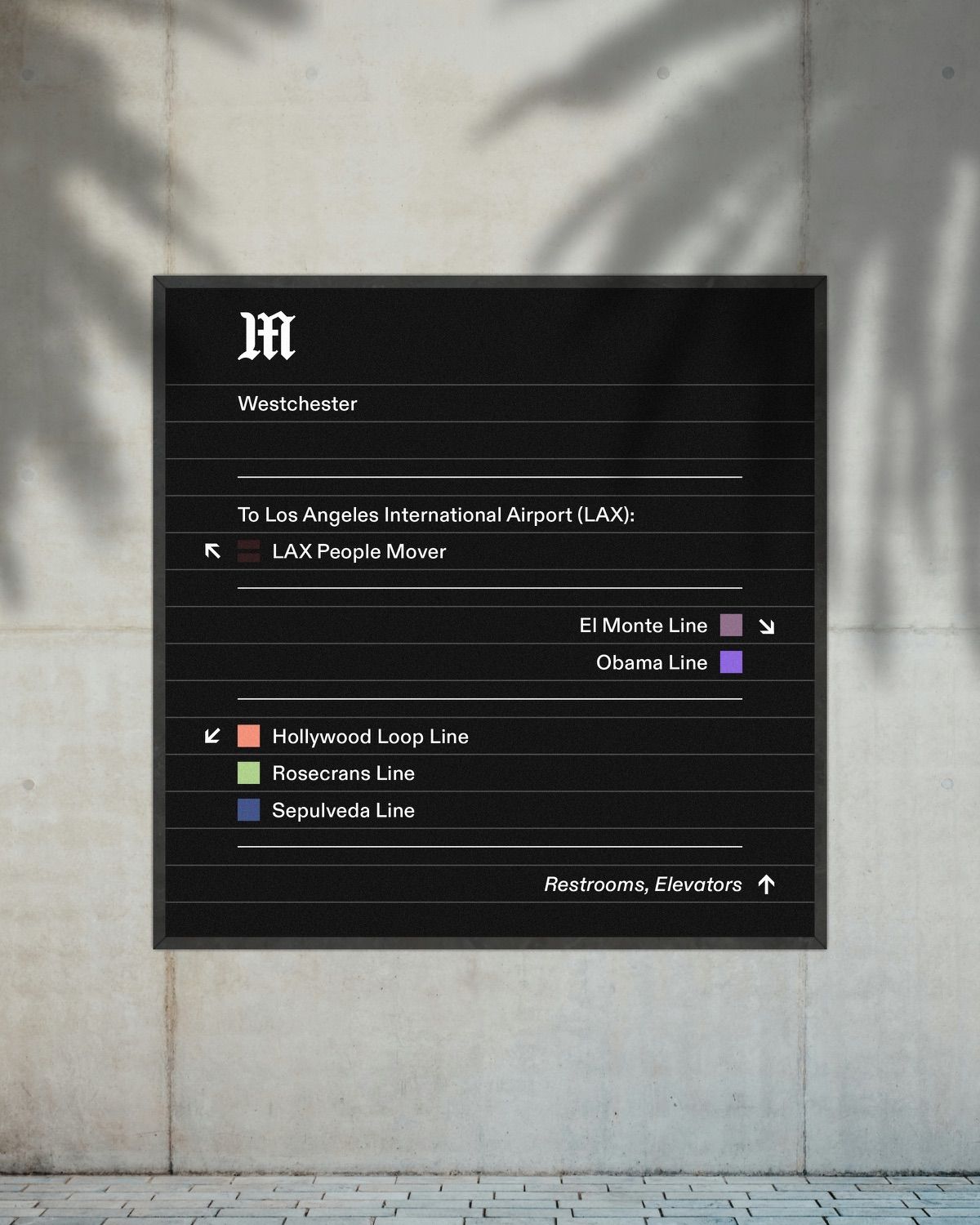
A wall-mounted station sign for Westchester in the shadow of palm fronds.
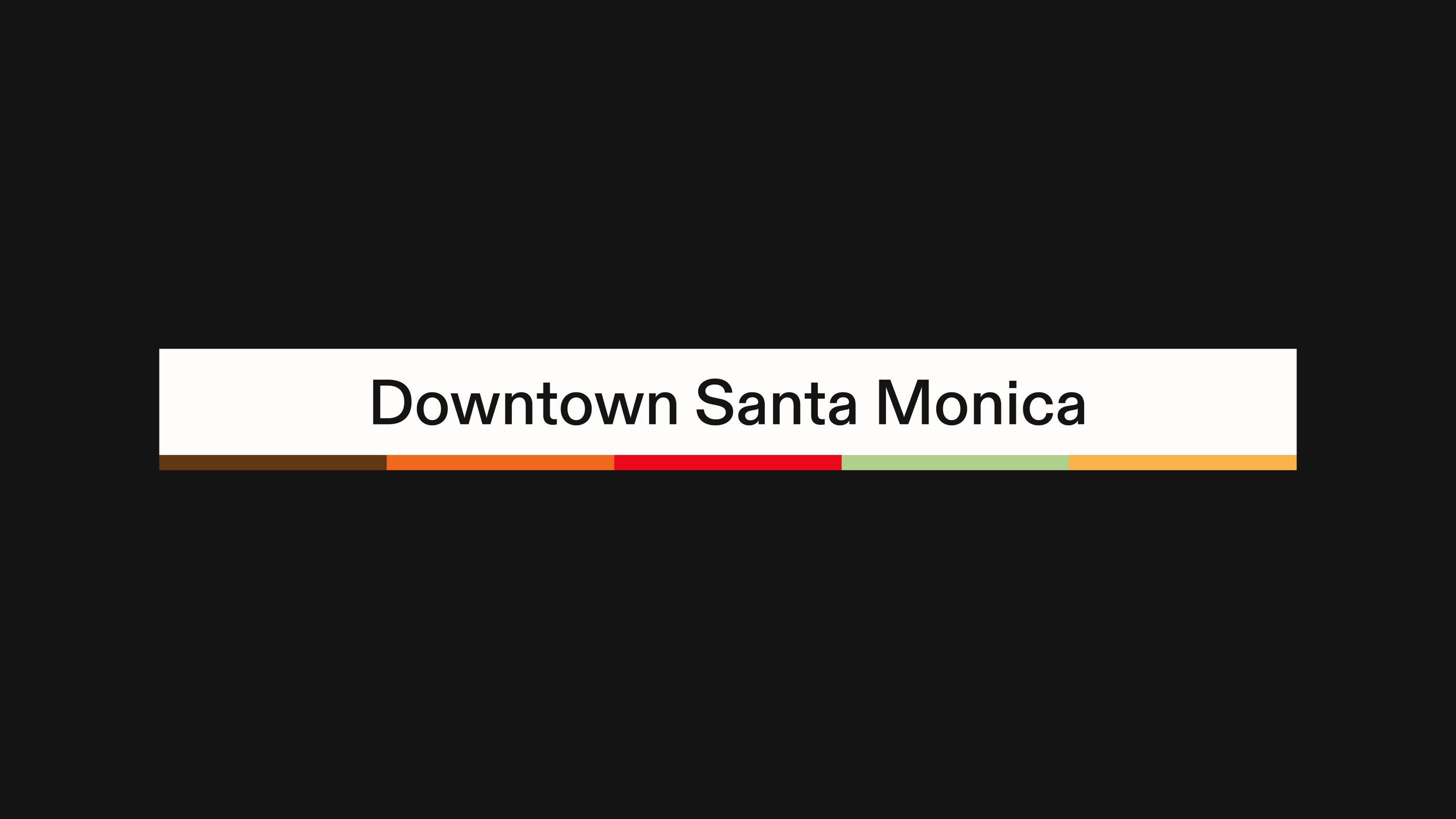
A station name sign with its line colours beneath, 1 of 6. A station name sign with its line colours beneath, 2 of 6. A station name sign with its line colours beneath, 3 of 6. A station name sign with its line colours beneath, 4 of 6. A station name sign with its line colours beneath, 5 of 6. A station name sign with its line colours beneath, 6 of 6.
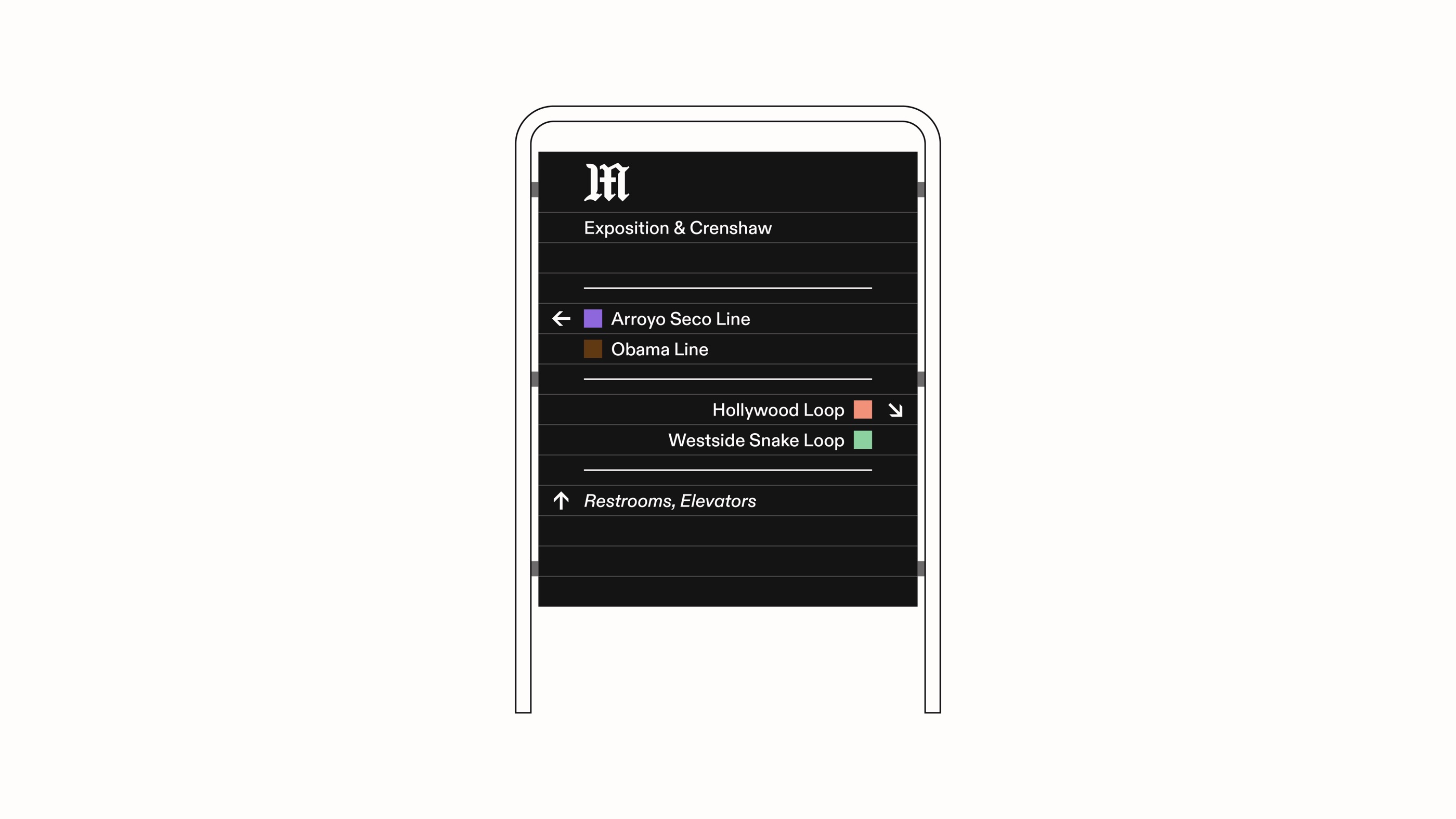
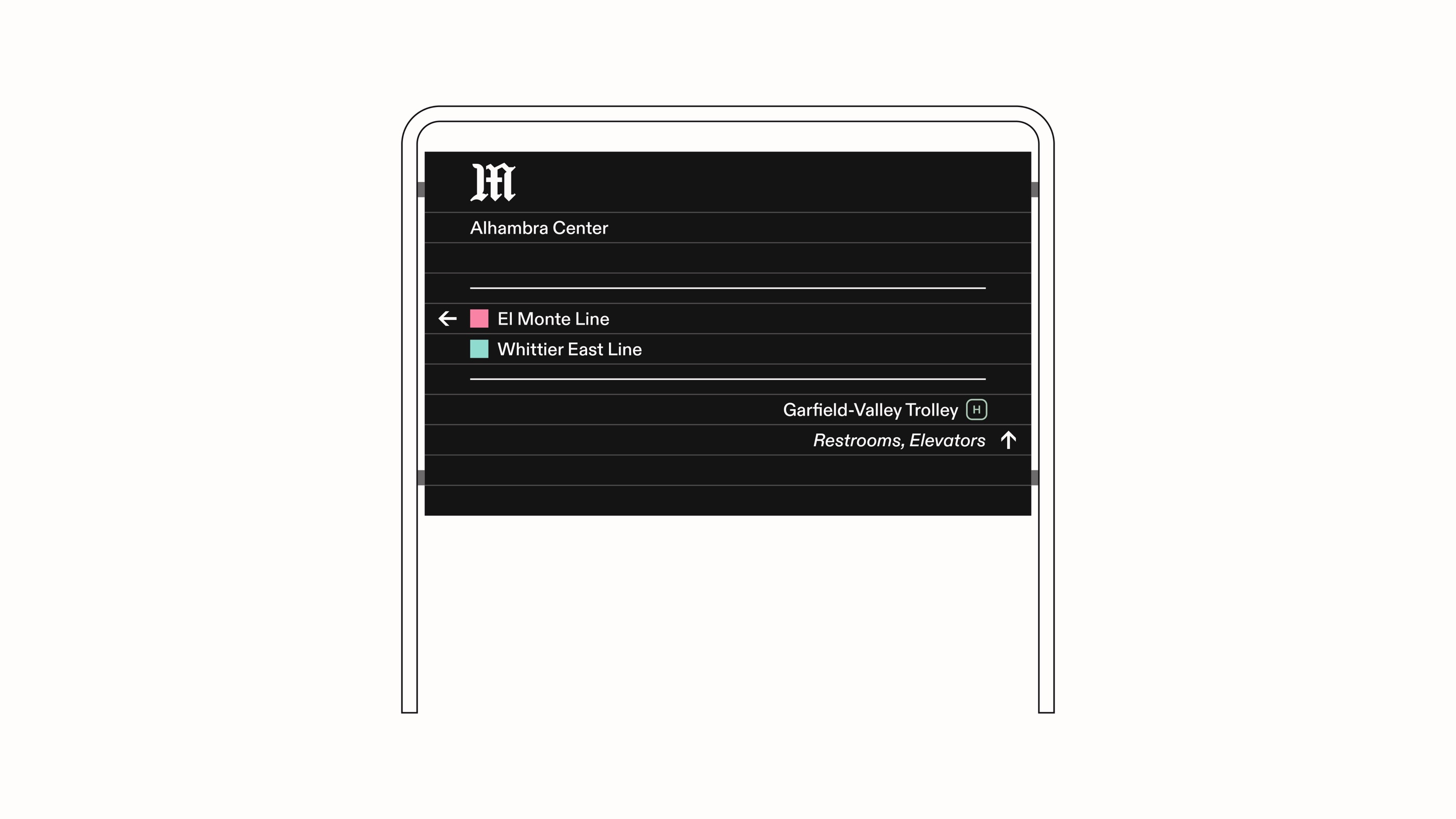
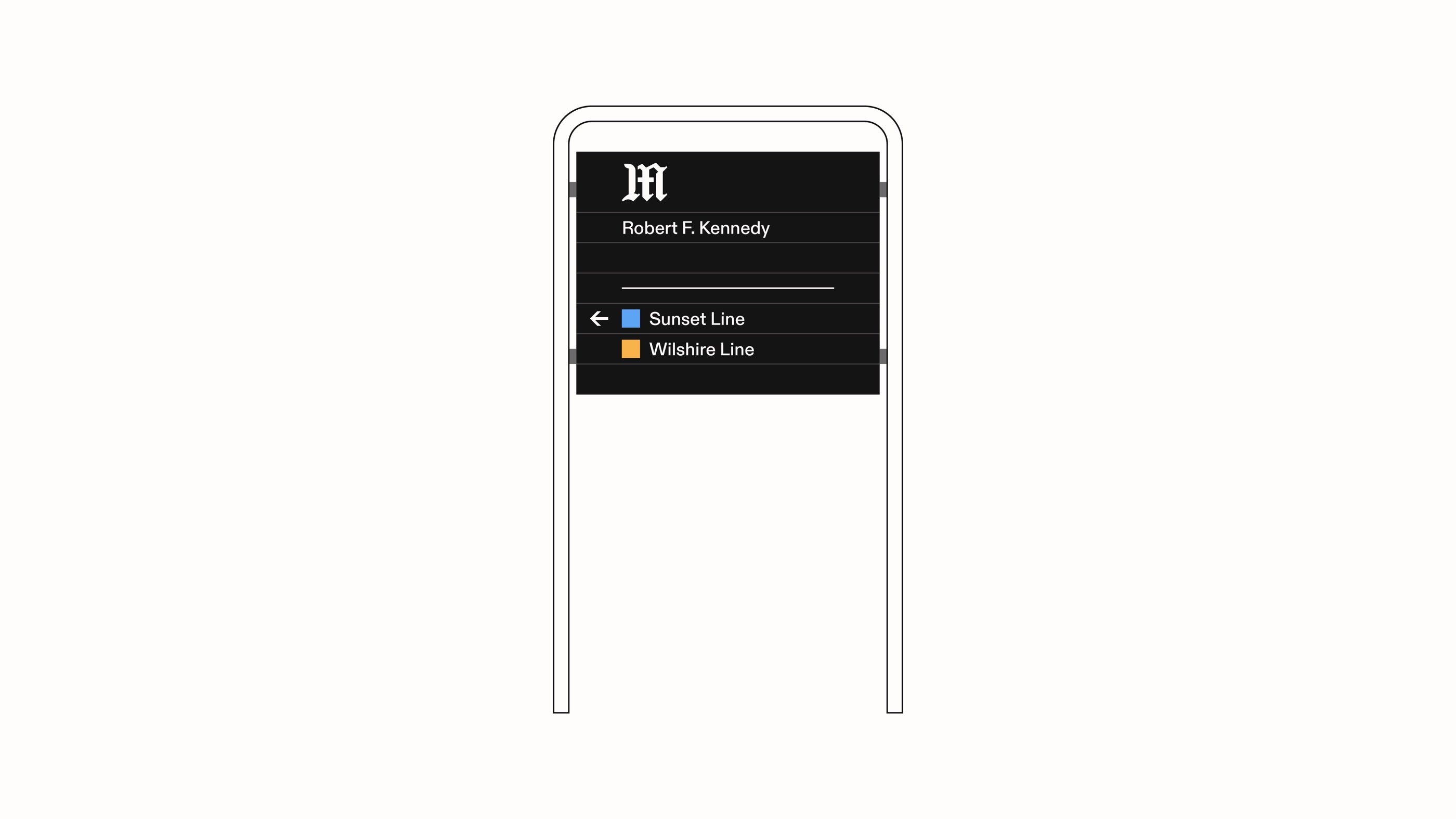
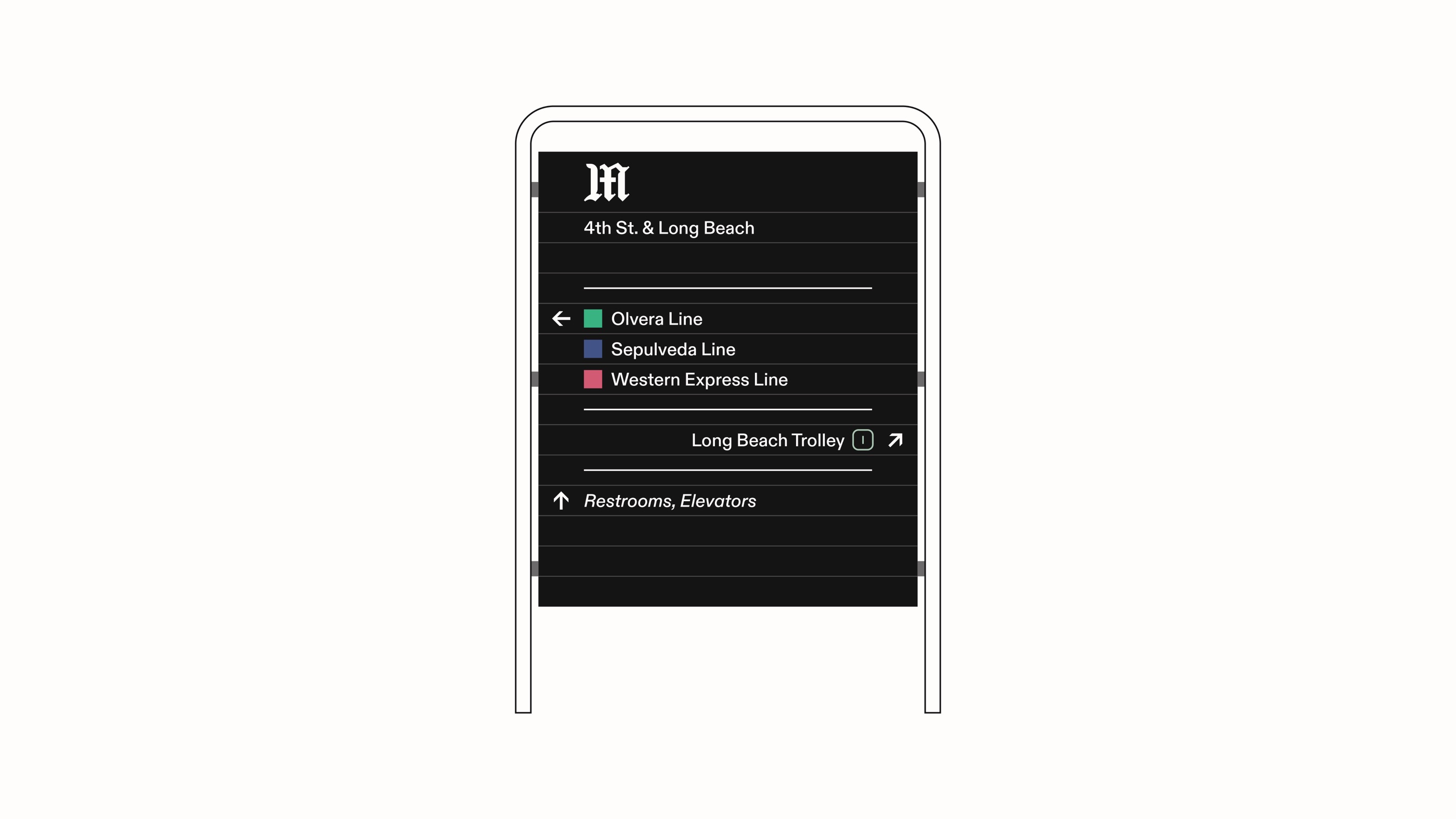
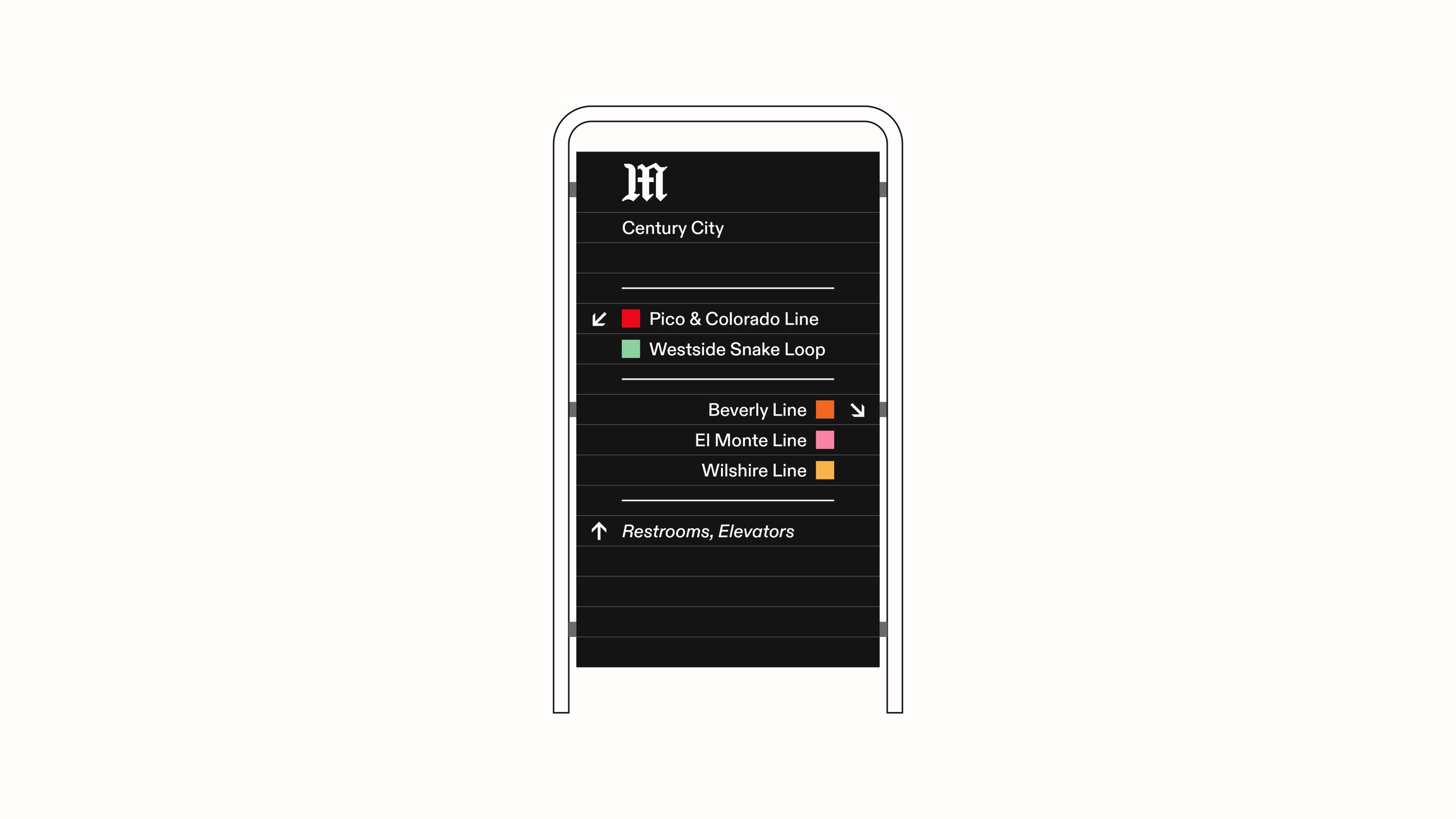
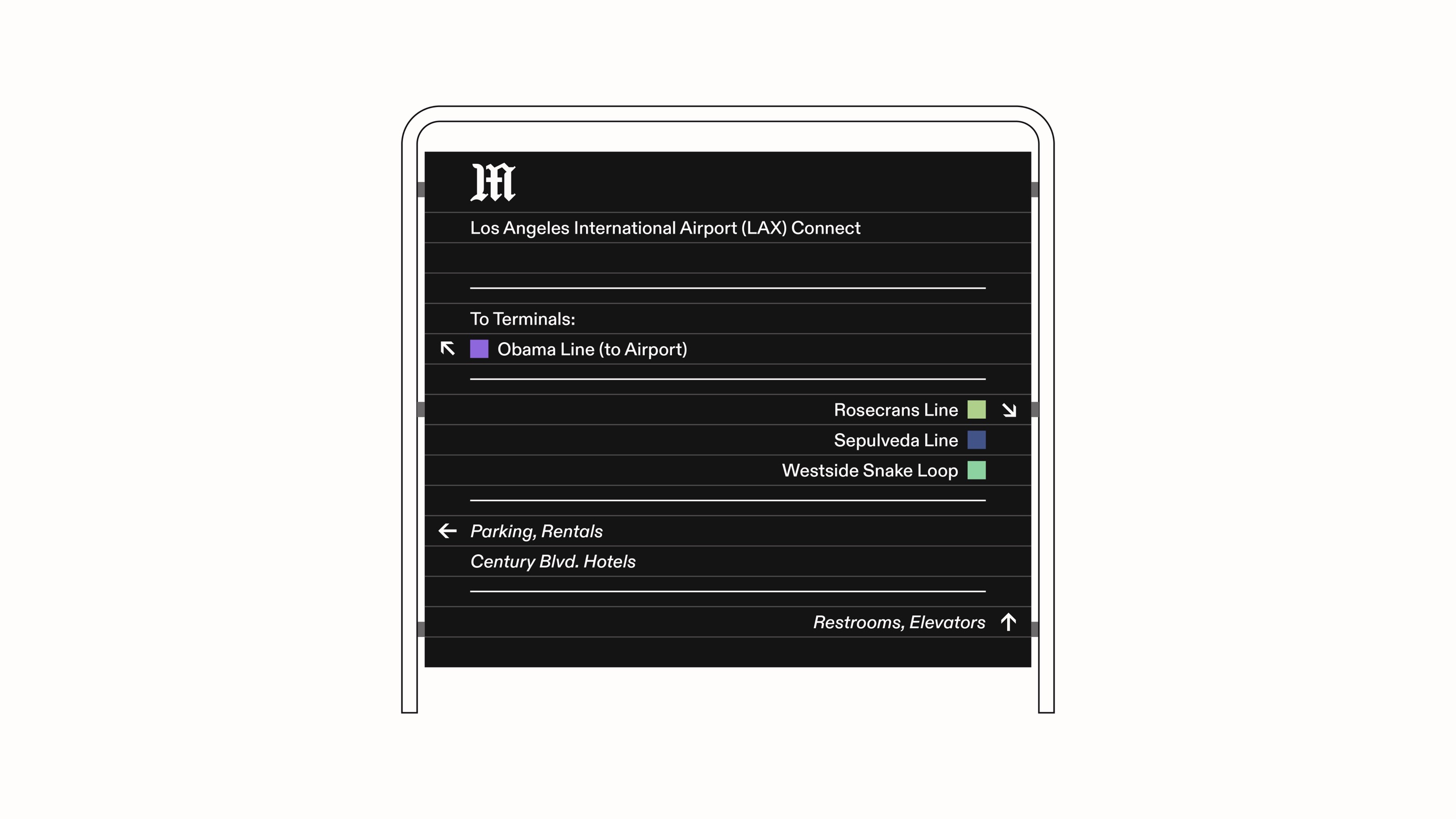
A freestanding wayfinding sign listing lines and directions, 1 of 6. A freestanding wayfinding sign listing lines and directions, 2 of 6. A freestanding wayfinding sign listing lines and directions, 3 of 6. A freestanding wayfinding sign listing lines and directions, 4 of 6. A freestanding wayfinding sign listing lines and directions, 5 of 6. A freestanding wayfinding sign listing lines and directions, 6 of 6.
London